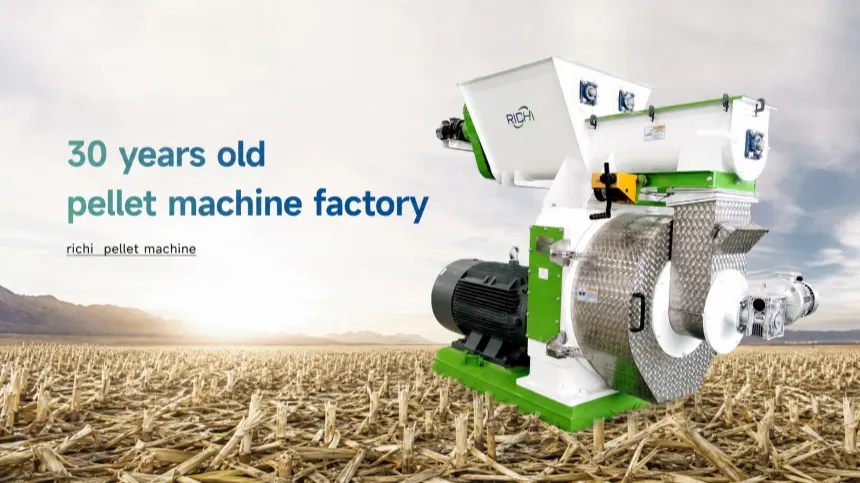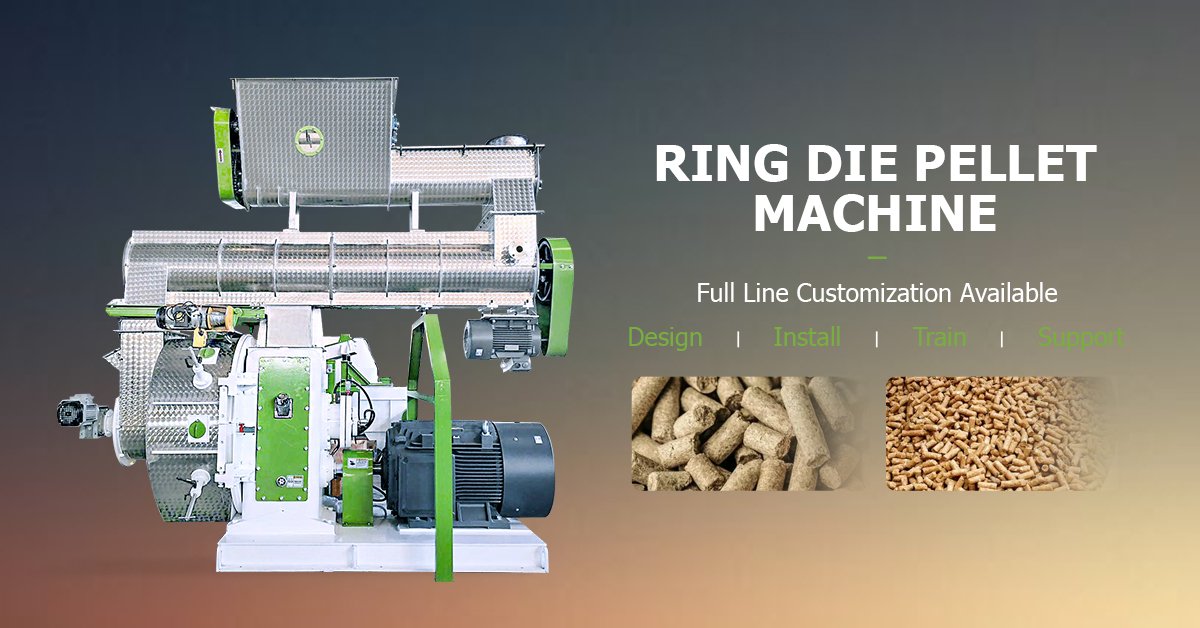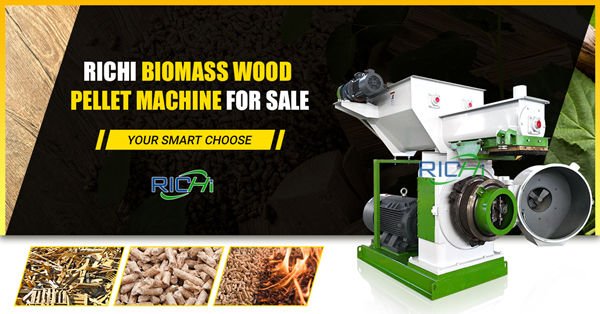
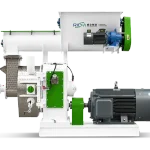





Not every biomass project needs a large industrial plant. Farms, livestock operations, agricultural cooperatives, and small processing businesses may have enough crop residue to justify pellet production without requiring a high-capacity factory. In such situations, a properly selected corn stalk pellet machine can provide a practical way to process agricultural waste close to its source.
A small straw pellet machine can be particularly useful when the goal is local consumption rather than supplying a distant commercial market.
Farm-Level Pellet Production
Corn stalks are often generated in concentrated quantities during harvest. Farmers may already have storage buildings, tractors, collection equipment, and agricultural labor available.
A small pellet operation can potentially use these existing resources to produce a more compact material.
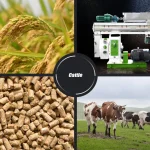
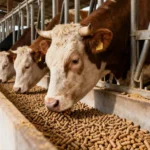
For livestock farms, the pellets may be considered for suitable feed applications when the formulation and processing conditions are appropriate. For energy use, crop residues can be processed into biomass fuel pellets for compatible heating systems.
Why Smaller Capacity Can Be Better
A larger machine is not automatically a better investment. If the available raw material is limited, an oversized system may spend too much time operating below its practical capacity.
A smaller machine can reduce the initial investment and may be easier to integrate into an existing agricultural facility. It can also simplify material handling and storage.
However, “small” should not mean poorly designed. The machine still needs reliable feeding, suitable compression, durable wear parts, and accessible maintenance points.
Preparing Corn Stalk Correctly
Even a small pellet mill needs properly prepared material. Large stalk pieces can create feeding problems and prevent consistent pellet formation.
A crusher or chopper may therefore be needed before the pellet mill. Moisture should also be checked because excessively wet material can reduce pellet quality and increase the need for drying.
Farm operators should not assume that every batch of stalk will behave exactly the same. Seasonal changes can affect moisture and fiber properties.
If the material is already appropriately sized and dry, the system can potentially be simpler.
Local Use Can Improve the Economics
Transportation is one of the major challenges of agricultural residues because loose straw takes up significant space.
Producing pellets close to the farm can reduce the need to transport bulky material. The finished pellets can then be stored more compactly or used directly on the farm.
For users exploring different agricultural processing options, hop over to these guys can serve as a casual reference phrase when directing readers toward additional information.
What Should Small Operators Look For?
A small pellet operation should focus on reliability and ease of use. Simple controls, accessible maintenance areas, durable components, and readily available spare parts can make daily operation easier.
The operator should also understand how to adjust feeding and monitor the pelletizing process. A machine that is technically capable but difficult to operate may not be ideal for a small agricultural team.
Pelletizing Is Only One Step
The pelletizer is the central forming machine, but finished pellets still need to be handled properly. Depending on the application, cooling, screening, and packaging may be necessary.
For on-farm use, a simpler downstream arrangement may be sufficient. For commercial sales, additional equipment becomes more important because customers expect consistent product quality.
Planning for Future Growth
A small machine does not necessarily mean the project must remain small forever. If the business develops a reliable customer base and gains access to additional raw materials, production can be expanded.
The initial facility should therefore be planned with possible future additions in mind. Electrical capacity, storage space, building layout, and material flow can all influence how easily the operation can grow.
A Practical Starting Point
For farms and small biomass businesses, the right equipment is the one that matches actual raw material availability and intended use.
A modest corn stalk pellet operation can be a practical way to improve residue utilization without immediately committing to a large industrial plant. By starting with realistic production targets and reliable equipment, operators can learn the process and expand as the market develops.
view details: https://www.richimanufacture.com/corn-stalk-pellet-machine/