



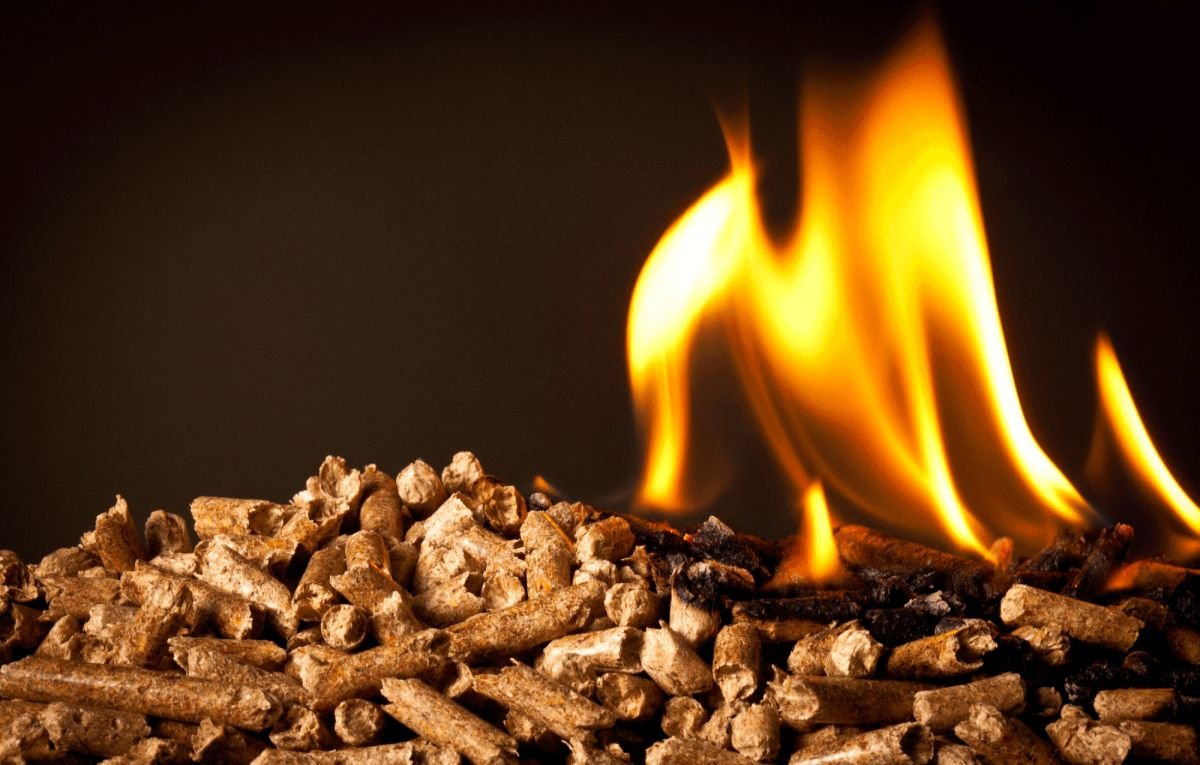
Every day, farms, sawmills, and food processing plants throw away materials that still hold energy. Sawdust. Straw. Rice husks. Coffee chaff. Corn cobs. These are not garbage. They are fuel waiting to be unlocked. For decades, the technology to unlock that fuel was expensive and complicated. Not anymore. Today, a pellet fuel maker can turn those waste streams into dense, clean-burning pellets that heat homes, power boilers, and even generate electricity. The question is no longer whether it can be done. The question is whether you are ready to do it.
The Waste You Already Have
Let us start with what you already have. If you run a sawmill, you have sawdust. If you grow grain, you have straw. If you mill rice, you have husks. If you roast coffee, you have chaff. These materials are not just waste. They are biomass. They contain stored solar energy from the growing season. When you burn them, that energy is released as heat. The problem has always been the form. Loose sawdust is bulky and hard to handle. Straw is stringy and burns too fast. Rice husks are abrasive and full of silica. You cannot just throw them in a furnace and expect good results.
Pelleting changes that. When you compress these materials into pellets, you change their physical properties. The density increases. The moisture content drops. The combustion becomes controlled and efficient. A pellet made from sawdust burns hotter and cleaner than a loose pile of sawdust. A pellet made from straw holds together and feeds smoothly into a boiler. The waste that was a nuisance becomes a product that has value. That is the promise of the pellet fuel maker. It takes what you have and turns it into what you need.
How Pellets Are Made
The process is straightforward, but the details matter. First, the raw material is ground to a consistent particle size. A hammer mill or a chipper reduces large pieces to small ones. The goal is uniformity. If the particles are too large, the pellets will be weak. If they are too fine, the pellets may be too dense and difficult to burn.
Next, the material is dried. Moisture content must be reduced to around 10% to 12%. If it is too wet, the pellets will mold. If it is too dry, they will crumble. Drying can be done with a rotary dryer, a belt dryer, or a fluidized bed dryer. The heat source can be biomass, natural gas, or waste heat from another process.
Then comes conditioning. Steam is added to soften the fibers and activate the natural lignin. Lignin is the glue that holds the pellet together. When heated, it becomes sticky and binds the particles. Without proper conditioning, the pellets will not hold their shape.
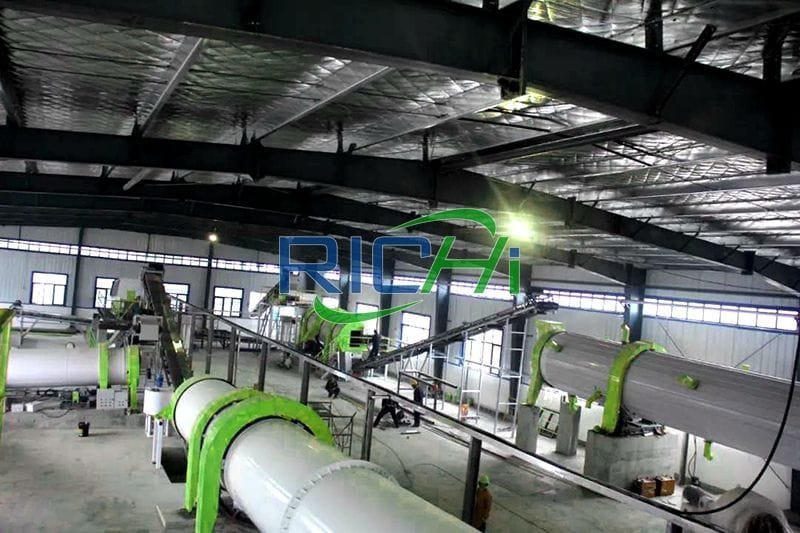
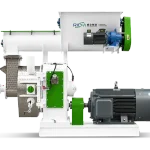
Finally, the material is pressed through a die. This is where the real magic happens. Rollers press the material through holes in a metal die. The pressure and friction generate heat. The lignin melts. The particles bind together. The result is a dense, durable pellet. The whole process is powered by a pelleting machine, and the quality of that machine determines the quality of the final product.
What to Look For in a Machine
Not all pellet machines are created equal. A cheap machine may work for a hobbyist, but it will not hold up to continuous operation. If you are processing tons of material per day, you need equipment that is built for the job.
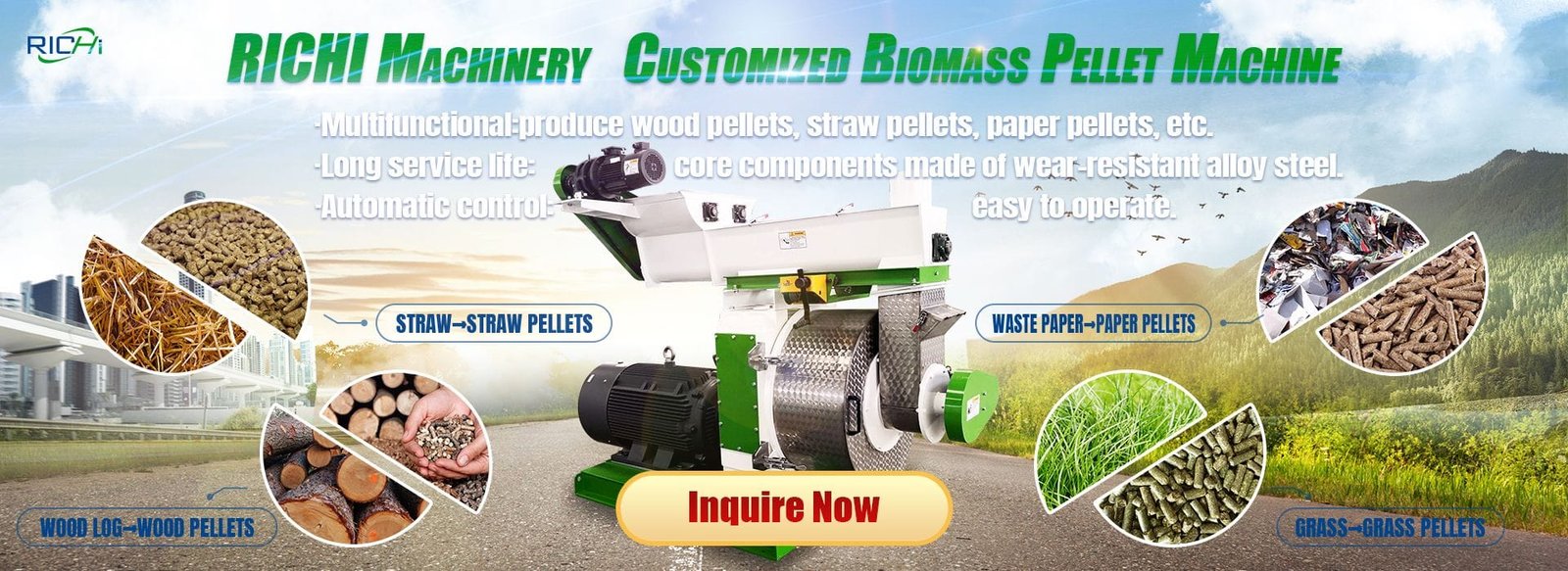
An automatic biomass pellet machine is designed for continuous operation. It uses sensors and controls to monitor temperature, pressure, moisture, and feed rate. It adjusts parameters automatically to keep the process stable. This reduces labor, improves consistency, and extends the life of the dies and rollers.
The die is the most important component. It must be made from wear-resistant alloy. Biomass materials are abrasive, especially rice husks and straw. A standard steel die will wear out quickly. A hardened die will last longer and produce more consistent pellets.
The motor and drive system must be sized for the load. A machine that is underpowered will struggle and overheat. A machine that is overpowered will waste energy. The right size depends on the capacity you need and the material you are processing.
The conditioning system matters too. Proper steam conditioning softens the fibers and activates the lignin. Without it, the pellets will be weak and dusty. A good machine will have a conditioner that can deliver the right amount of steam at the right temperature.
The Economics of Pellet Fuel
Making pellets is not free. You need equipment, energy, labor, and maintenance. But the economics can be compelling, especially if you are already paying to dispose of your waste.
Consider a sawmill that produces 10 tons of sawdust per week. Currently, it pays $50 per ton to have it hauled away. That is $500 per week, or $26,000 per year. If the mill invests in a pellet line, it can turn that sawdust into pellets. The pellets can be sold for $150 to $200 per ton. Ten tons of sawdust yields about eight tons of pellets. At $175 per ton, that is $1,400 per week in revenue. The mill eliminates the disposal cost and generates income. The payback period on the equipment might be two to three years. After that, the mill has a profitable sideline.
The numbers vary depending on the material, the market, and the cost of energy. But the principle holds. If you have a steady supply of biomass and a market for pellets, the economics usually work.
The Environmental Case
There is also an environmental argument for pellet fuel. Burning fossil fuels releases carbon that was stored underground for millions of years. Burning biomass releases carbon that was recently absorbed from the atmosphere. In theory, the carbon cycle is closed. The plant absorbed carbon while growing, and it releases the same carbon when burned. The net addition to the atmosphere is zero.
In practice, the picture is more complex. It takes energy to harvest, process, and transport biomass. But when the biomass is a waste product that would otherwise decompose or be burned in the open, the environmental benefits are clear. Pellets burn cleaner than loose biomass. They produce less smoke and particulate matter. They can replace coal in power plants and heating systems. They can reduce dependence on imported fuels.
Choosing the Right Machine for Your Operation
If you are ready to explore pellet production, the first step is to assess your raw material. What do you have? How much? What is its moisture content? What is its particle size? These answers will determine the equipment you need.
The second step is to define your market. Who will buy your pellets? What specifications do they require? What price will they pay? The market determines the quality you need to produce. Residential pellets need to be low in ash and high in durability. Industrial pellets can tolerate slightly higher ash and fines. Export pellets must meet the standards of the destination country.
The third step is to talk to equipment suppliers. Ask about capacity, die configuration, conditioning, automation, and support. Ask for references. Visit an installation if you can. See the machine in operation. Talk to the operator. Watch how the pellets come out. Ask about maintenance and downtime.
A good supplier will help you match the machine to your material and your market. They will not just sell you a machine. They will help you build a system. They will provide training and support. They will be there when you need spare parts or technical help.
The Bottom Line
The waste you throw away is not waste. It is fuel. The technology to convert it into clean-burning pellets is available, affordable, and proven. Whether you are a farmer, a sawmill operator, or a food processor, you have the raw material. You have the market. You have the opportunity. The only thing missing is the pelleting machine that turns one into the other. If you are ready to stop paying to dispose of your waste and start earning from it, the time to act is now. The pile behind your barn is not a problem. It is a resource. And it is waiting.