







The global search for cleaner energy sources has dramatically increased the importance of biomass fuel technologies. Agricultural waste materials that were once discarded now serve as valuable renewable resources capable of supporting industrial heating and power generation.
Rice husk is one of the most important agricultural byproducts in the biomass sector. Produced in huge quantities by rice mills worldwide, this material offers excellent potential for fuel pellet manufacturing when processed with specialized equipment.
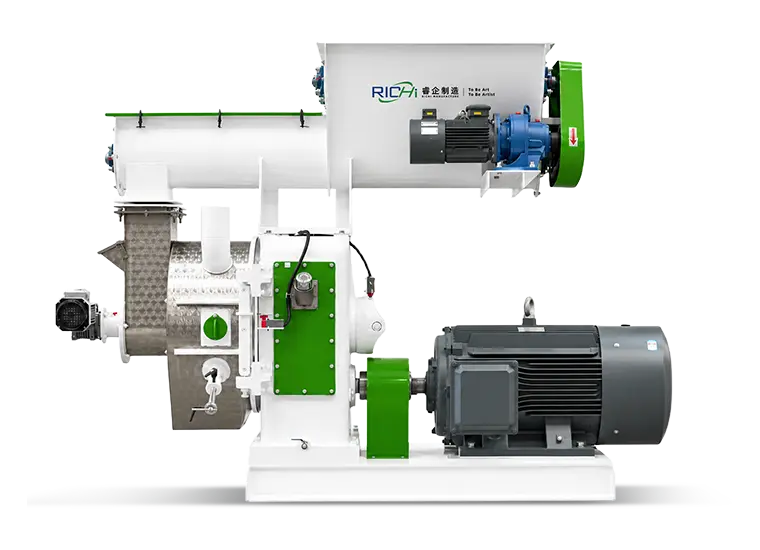
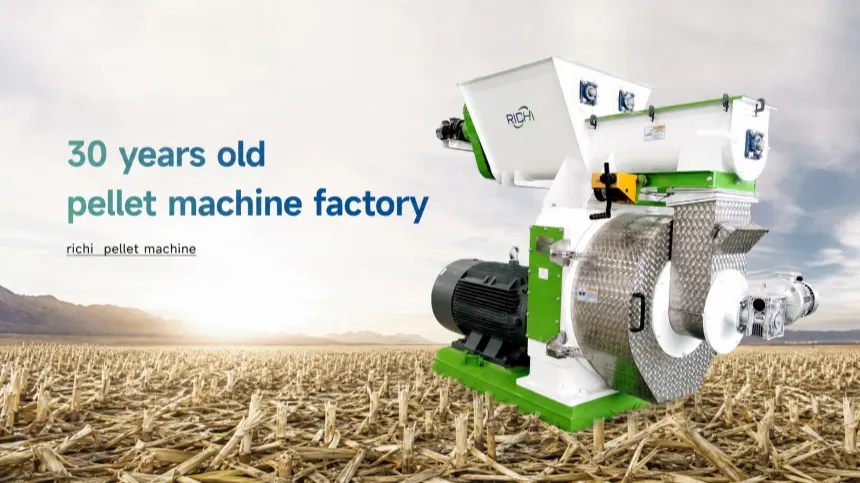
As industries seek sustainable energy alternatives, demand for the husk pelletizer machine continues to rise.
Why Biomass Pellets Are More Efficient Than Loose Residues
Loose agricultural waste is difficult to transport, store, and burn efficiently. Pelletizing solves many of these issues.
Increased Density
Pellets occupy less space than raw husk.
Stable Combustion
Uniform pellet size improves boiler efficiency.
Lower Transportation Costs
Dense pellets reduce logistics expenses.
Cleaner Handling
Pellets produce less dust during storage.
Better Commercial Value
Processed biomass products are easier to market.
These advantages have made pellet fuel increasingly attractive for industrial users.
Essential Equipment in a Biomass Pellet Plant
Modern pellet plants rely on multiple integrated systems.
Drying Systems
Rotary dryers reduce raw material moisture.
Pellet Mills
High-pressure compression systems produce dense pellets.
Cooling Equipment
Cooling improves pellet durability.
Screening Systems
Fine particles are removed before packaging.
Packaging Units
Finished products are prepared for shipment.
A professional commercial rice husk pellet mill for sale is often customized according to raw material characteristics and production targets.
Industrial Sectors Using Biomass Pellets
Manufacturing Plants
Factories use biomass pellets in steam boilers.
Food Industry
Thermal processing systems increasingly adopt renewable fuels.
Agriculture
Greenhouses and farms use biomass heating systems.
Energy Generation
Power stations co-fire biomass pellets with coal.
Commercial Heating
Large heating systems benefit from automated pellet feeding.
The versatility of biomass pellets supports growing market demand.
Important Considerations Before Investing
Investors planning biomass projects should evaluate several critical factors.
Raw Material Supply
Long-term feedstock availability is essential.
Production Capacity
Equipment size should match market demand.
Power Consumption
Efficient systems reduce operating costs.
Maintenance Requirements
Wear-resistant designs improve long-term profitability.
Technical Support
Professional after-sales service reduces operational risk.
Companies researching biomass equipment frequently compare different pellet mill technologies before selecting a production solution.
Environmental Benefits of Biomass Fuel
Biomass pellets support cleaner energy systems in several ways.
Reduced Carbon Emissions
Biomass fuel produces lower net carbon emissions than fossil fuels.
Agricultural Waste Recycling
Pelletizing prevents waste accumulation.
Reduced Open Burning
Biomass utilization lowers environmental pollution.
Renewable Energy Development
Pellet fuel supports sustainable industrial growth.
These environmental advantages continue driving government support for biomass projects worldwide.
The Role of Automation in Modern Pellet Plants
Automation technology significantly improves biomass production efficiency.
Advanced control systems can monitor:
- Motor performance
- Pellet temperature
- Moisture content
- Equipment wear
- Production capacity
Automation reduces labor requirements and improves product consistency.
Many pellet manufacturers seeking operational improvements often check my source materials and industry case studies to compare automation technologies.
Challenges in Rice Husk Pellet Production
Rice husk processing presents several technical challenges.
High Silica Content
Silica accelerates equipment wear.
Moisture Variability
Improper moisture affects pellet quality.
Feeding Instability
Inconsistent feeding reduces production efficiency.
Die Maintenance
Regular maintenance is critical for stable output.
Proper engineering and operator training help minimize these challenges.
Expanding Global Biomass Markets
The biomass pellet market continues growing internationally.
Europe
Renewable heating policies increase pellet demand.
Asia
Agricultural economies provide abundant biomass resources.
Middle East
Industrial sectors increasingly explore alternative fuel systems.
Africa
Biomass energy projects support rural electrification and heating.
International demand creates strong opportunities for biomass fuel manufacturers.
(Related Post: https://biomasspelletizer.com/peanut-shell-pellet-machine/)
Future Innovations in Pellet Manufacturing
The next generation of pelletizing systems focuses on:
- Higher automation levels
- Lower energy consumption
- Better wear resistance
- Intelligent production monitoring
- Improved environmental performance
These innovations will help biomass producers improve profitability and operational stability.
Conclusion
Rice husk pellet production has become an important part of the global renewable energy transition. By converting agricultural waste into dense biomass fuel, pellet plants support cleaner industrial heating systems and create new economic opportunities for agricultural regions.
As biomass demand continues increasing worldwide, companies investing in advanced pelletizing technology are well positioned to benefit from the long-term growth of renewable energy markets.