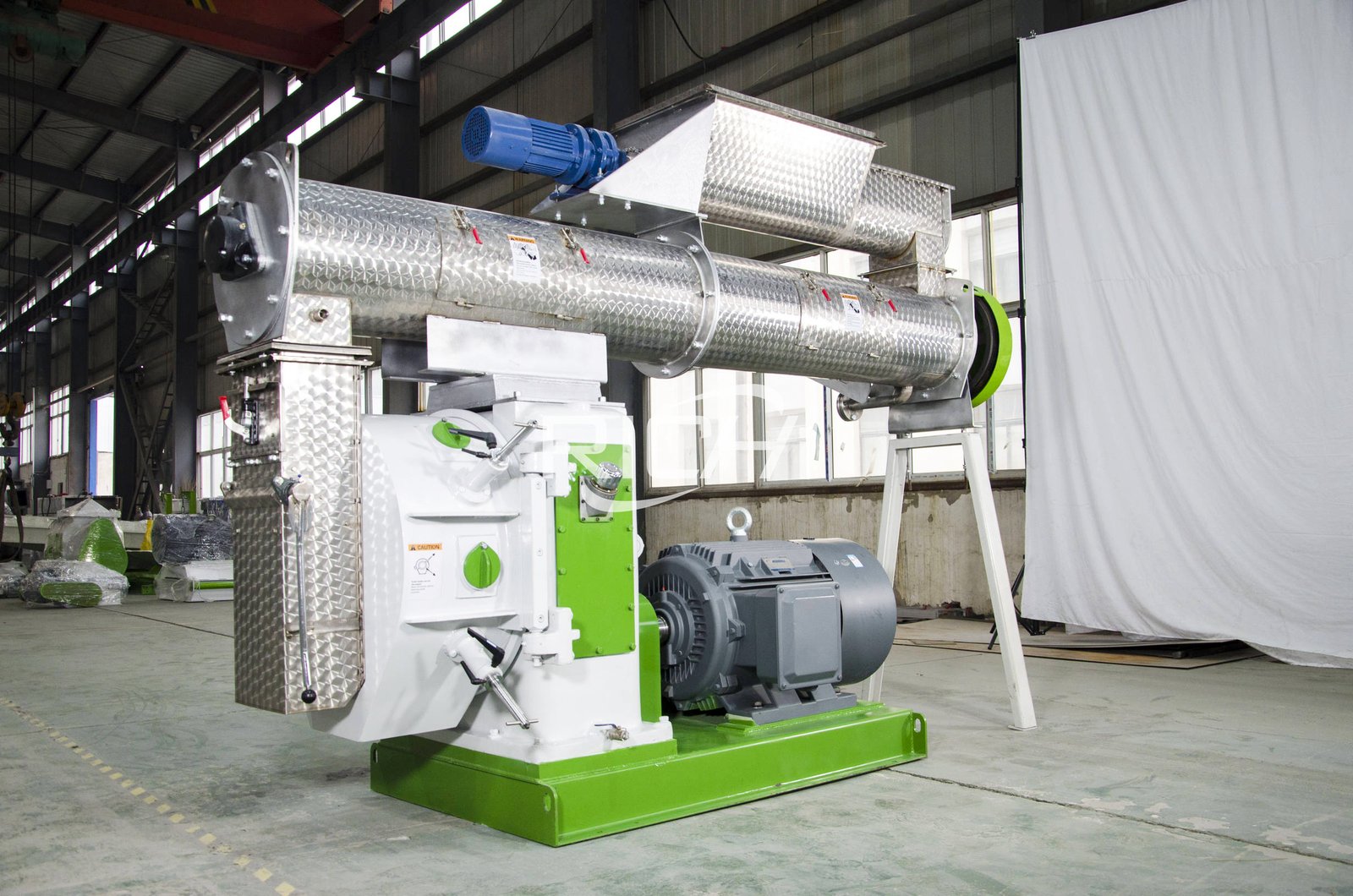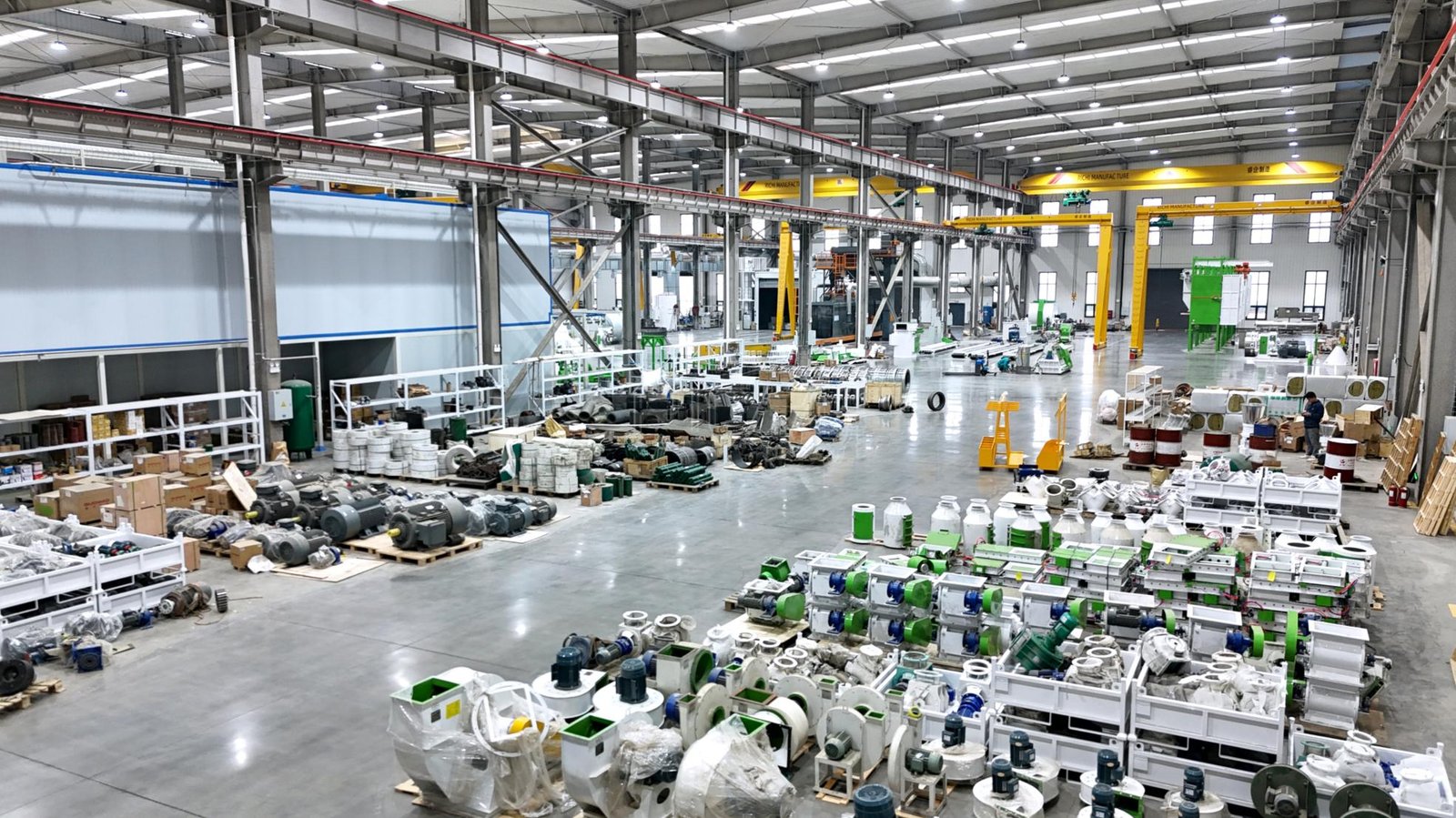
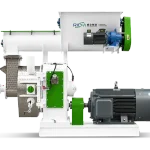


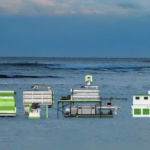


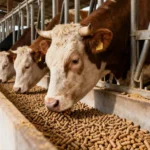


A small fish feed machine can look inexpensive when buyers compare only the main machine price. For a commercial project, however, the usable investment is determined by much more than the equipment invoice. The process route, raw-material preparation, electrical supply, steam or water requirements, drying method, building layout, installation, commissioning, operator training, spare parts, and ramp-up all affect the amount required to reach stable production. This is why project buyers should evaluate price as an installed and operable system cost rather than as a single-machine number.
Define What “Small” Means for the Commercial Project
The word “small” can refer to production capacity, factory footprint, investment phase, or the number of feed formulas. These are not the same thing. A compact commercial line may still need grinding, mixing, conditioning, forming, cooling or drying, screening, and packing. RICHI Machinery’s verified commercial feed production-line range is 1–160 T/H, while standalone feed machines fall within a 1–40 T/H scope. Actual output depends on formula, raw-material characteristics, pellet size, process configuration, and operating conditions. For serious project planning, capacity should therefore be defined from daily feed demand and operating hours rather than from the label “small.”
Buyers should first estimate how much feed must be produced per day, how many shifts will operate, how many product sizes are required, and whether the feed is for internal farm use or commercial sale. A project serving one farm can prioritize simplicity and low labor demand. A commercial feed producer may need more storage bins, recipe flexibility, traceability, packing options, and room for expansion. Those choices change the equipment list and therefore change the real project price.
Choose the Process Route Before Comparing Quotations
Fish feed can be produced through different process routes. Conventional sinking pellets may use a pelletizing system, while floating or expanded aquatic feeds normally require extrusion and a drying stage. These routes have different machine structures, utility demands, process-control requirements, and investment levels. A low quotation can be misleading if it is based on a simpler process that cannot produce the required feed behavior.
The project specification should state whether the finished feed must float, sink, or include multiple densities; the required pellet sizes; target species; expected raw materials; and whether oil or other liquids will be added. Extrusion projects also need careful control of grinding, conditioning, moisture, pressure, temperature, screw operation, drying, and cooling. The more demanding the product specification, the more important it becomes to compare complete process capability rather than headline machine price.
Break the Price Into Process Sections
A useful way to compare quotations is to separate the project into functional sections. Raw-material receiving may require hoppers, conveyors, elevators, and storage. Grinding can include a hammer mill or finer grinding equipment depending on the feed size and extrusion requirement. Mixing can require dry ingredient dosing, micro-ingredient handling, and liquid addition. Forming may involve a pellet mill or extruder. Downstream equipment can include drying, cooling, screening, oil coating, and packing.
When reviewing a quoted small fish feed machine price, buyers should check exactly which of these sections are included. A lower number may exclude equipment that must be purchased later. It may also exclude steel platforms, air compressor, steam system, electrical control, installation tools, spare parts, freight, or commissioning support. The correct comparison is not “machine A versus machine B”; it is “which scope can actually produce the required feed at the planned site?”

Confirm Electrical Capacity Before Finalizing the Equipment List
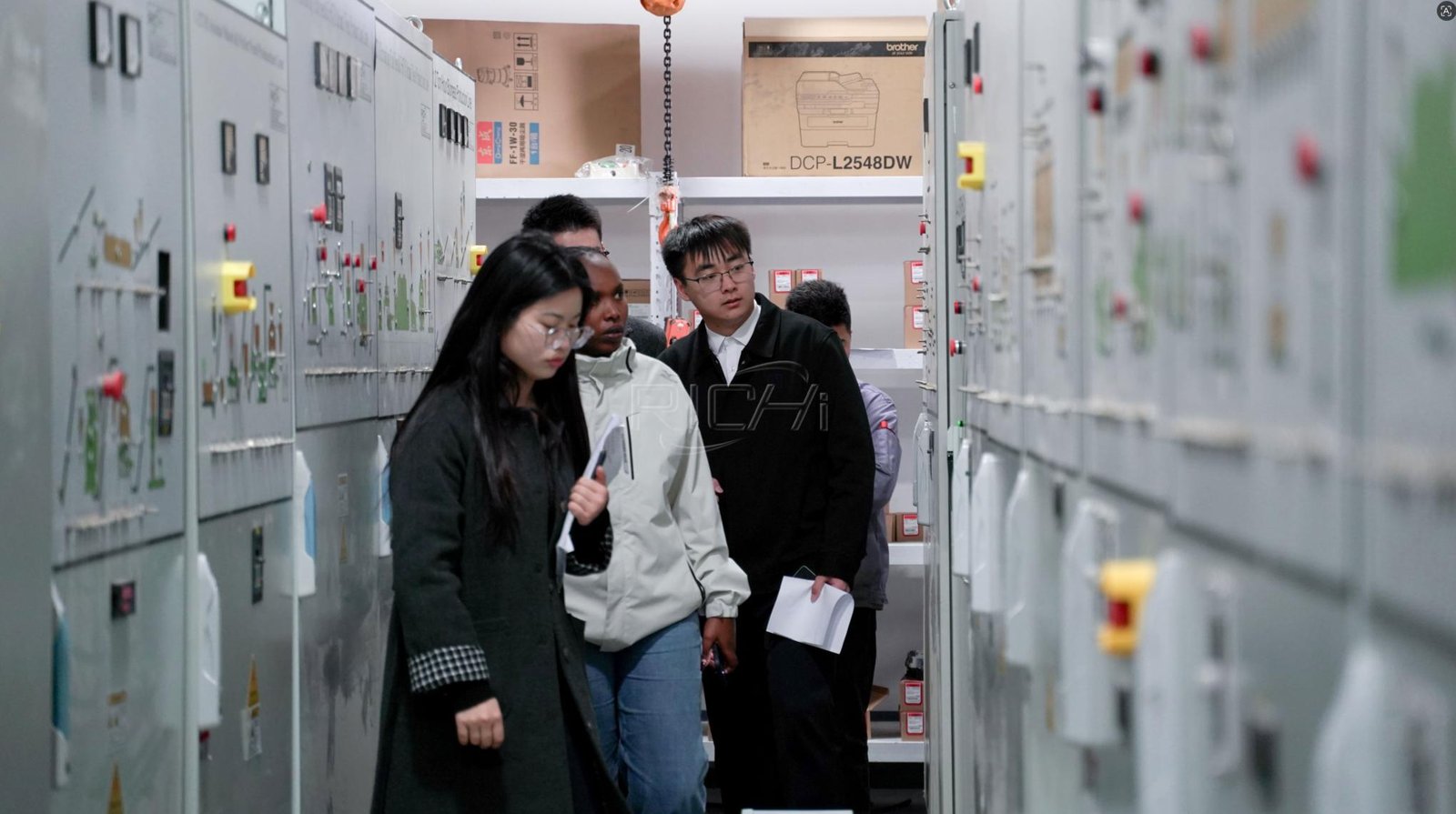
Electrical readiness can change both equipment selection and site cost. The supplier needs the local project voltage, frequency, phase arrangement, transformer capacity, and any limitations on motor starting. The owner should calculate demand for the whole process, including conveying, grinding, forming, drying or cooling, dust control, compressors, packing equipment, workshop loads, and future expansion. Installed motor power and actual operating demand are different concepts, so a proper electrical schedule is more useful than a simple total of nameplate kilowatts.
If backup generation is part of the project, it should be evaluated with the intended start-up sequence and critical loads. Running an extruder, dryer, conveying system, and auxiliaries can create a different requirement from powering only the core forming machine. Electrical planning should therefore be completed before switchgear, cable sizing, transformer selection, and generator strategy are fixed.
Utilities Can Be a Major Difference Between Pelletizing and Extrusion
Process utilities should be listed as part of the quotation review. Depending on the selected route, the plant may need dry steam, process water, compressed air, hot-air generation for drying, ventilation, and dust collection. Extruded fish feed typically requires more intensive moisture and thermal management than a simple dry pelletizing process. The dryer heat source and local fuel choice can materially affect both initial investment and operating cost.
The project owner should ask for a utility-consumption schedule and connection requirements before approving the layout. Boiler location, fuel storage, dryer heat source, water supply, compressor room, cable routes, and exhaust arrangements all need physical space. If these systems are added after the building is complete, civil modifications and longer pipe or cable runs can create unnecessary cost.
Site Layout Determines How Easy the Line Is to Install and Operate
Compact does not mean crowded. A small commercial plant still needs safe access around the grinder, mixer, extruder or pellet mill, dryer, electrical cabinet, and packing area. Operators need routes for inspection and cleaning, while maintenance staff need space to remove wear parts and major components. Raw materials and finished feed should move through the factory without unnecessary crossing between forklifts, bags, workers, and production equipment.
Building height influences whether the system can use gravity between sections or needs more conveyors. Floor area affects storage and maintenance access. A future expansion plan can justify leaving structural openings, spare electrical capacity, or space for additional bins even when the first-phase line is modest. These choices may add some initial cost but can be much cheaper than rebuilding the production area later.
Installation Scope Should Be Written Into the Commercial Comparison
Equipment price can be compared fairly only when installation responsibilities are clear. Buyers should define who provides foundations, pits, platforms, cranes, local labor, welding equipment, power cables, piping, insulation, boiler connections, compressed-air lines, and building modifications. Freight and inland transport should also be separated from equipment supply so the purchasing team knows which costs are fixed and which depend on local conditions.
A site-readiness checklist should be completed before equipment arrives. Foundations need to match final drawings. Openings and lifting routes must be available. Electrical panels need suitable installation areas. Utility connection points should be identified. If the owner plans to perform installation with local contractors, those contractors need the final mechanical and electrical documentation early enough to prepare resources and sequencing.
Commissioning Is Where a Purchased Machine Becomes a Production System
Commissioning should begin with mechanical checks, motor direction, sensors, safety interlocks, lubrication, and no-load testing. The next stage is coordinated operation of conveyors and process sections. Material trials come only after the basic system is stable. During fish feed production, the team should record grinding condition, mixer performance, conditioner settings, forming-machine load, pellet appearance, moisture, drying response, cooling, screening, and packing behavior.
For extruded feed, a successful trial is not simply proof that pellets exit the die. The team must establish operating settings that achieve the required product density, size, surface quality, moisture, and stability for the buyer’s formula. Different ingredients and pellet sizes can require different settings. A commissioning record should therefore capture the recipe, operating parameters, observed results, and corrective changes so the operators have a baseline after the supplier’s engineers leave.
Operator Training Protects the Investment
The more process-sensitive the product, the more valuable operator knowledge becomes. Staff should understand feeding, grinding, mixing, steam or water adjustment, extruder or pellet-mill loading, drying, cooling, and alarm response. Maintenance personnel need routines for lubrication, fastener checks, wear-part inspection, screen condition, bearing temperature, and cleaning. Training should explain cause and effect, not just provide a sequence of buttons to press.
Documentation should include operating instructions, maintenance schedules, electrical drawings, mechanical drawings, wear-part information, and a clear after-sales communication route. RICHI Machinery’s project model includes design, equipment integration, installation support, commissioning, training, and after-sales service. For buyers, these services should be evaluated as part of project value because they influence how quickly the line reaches stable commercial operation.
Budget for Ramp-Up, Not Only for Delivery Day
The first production weeks normally involve adjustment. Operators are learning, raw materials vary, process settings are being refined, and the team is discovering practical bottlenecks. The budget should therefore include commissioning materials, initial spare and wear parts, laboratory or feed-quality checks where required, operator time, and contingency for site corrections. This is not an indication of poor machinery; it is normal project management for a new production system.
Production should ramp up in controlled stages. First stabilize material flow and safety. Then increase throughput while checking pellet quality and machine load. Next optimize energy use, drying or cooling, fines handling, and packing. Finally establish preventive-maintenance intervals from real site conditions. The business objective is repeatable monthly production, not the highest number achieved during one demonstration run.
A Buyer Decision Matrix for Comparing “Price”
| Decision Area | What to Check | Why It Changes Real Cost |
|---|---|---|
| Feed type | Floating, sinking, pelletized, or multiple products | Determines the process route and downstream equipment |
| Raw materials | Ingredient size, moisture, density, liquids, formula variation | Changes grinding, storage, dosing, and mixing requirements |
| Utilities | Power, steam, water, compressed air, dryer heat source | Can require major auxiliary systems and building provisions |
| Site | Height, floor area, receiving, storage, maintenance access | Affects conveyors, steel structure, civil work, and expansion |
| Installation | Local labor, cranes, cables, piping, supervision | Determines how much cost sits outside the machine quotation |
| Start-up | Commissioning, training, trial materials, initial spares | Controls how quickly the line reaches stable production |
When Does the Recommended Configuration Change?
The configuration should change when the product or business model changes. A farm producing one feed size for internal use can prioritize simplicity. A commercial mill producing several formulas may need more bins, automation, and flexible packing. Floating feed normally pushes the project toward extrusion and drying, while some sinking feeds may follow a different process route. High formula variation can justify additional dosing and storage capacity. Planned expansion can justify oversized conveyors, electrical reserve, or extra structural space.
Buyers should also distinguish between reducing initial cost and reducing lifecycle risk. Removing a useful process section may reduce the quotation but increase labor, quality variation, or future modification cost. Adding every possible option can also be wasteful. The correct solution is the minimum complete configuration that reliably produces the required feed and fits the owner’s operating capability.
Compare Suppliers on Project Completeness, Not Only the Lowest Number
A meaningful supplier comparison should review process logic, layout, machine scope, utility schedule, automation, installation responsibilities, commissioning method, operator training, spare-parts support, and expansion planning. The proposal should clearly identify exclusions. Buyers should also ask how the supplier verifies the line before shipment and how technical issues are handled after installation.
RICHI Machinery has 30+ years of manufacturing experience and has delivered more than 2,000 projects worldwide. For a buyer, those figures matter only when the supplier can apply accumulated project experience to the specific raw materials, feed products, site limitations, and operating goals. The strongest quotation is therefore the one that makes the implementation path clear from factory design through stable production.
Final Price Question: What Will It Cost to Produce Saleable Feed Reliably?
Small fish feed equipment should be evaluated as part of a production system. The machine price is important, but it is only one line in the investment. Utilities, preparation equipment, drying or cooling, electrical control, steel structure, civil work, freight, installation, commissioning, training, and ramp-up can all change the final budget. Because equipment and freight prices are time-sensitive, a current project-specific quotation is more reliable than publishing a fixed universal price.
For commercial buyers, the best purchasing question is not “What is the cheapest fish feed machine?” It is “What configuration can our site install, operate, maintain, and use to produce the required fish feed consistently?” Once that question is answered, price comparisons become more accurate, hidden scope gaps are easier to identify, and the project has a much clearer path from purchase order to stable production.