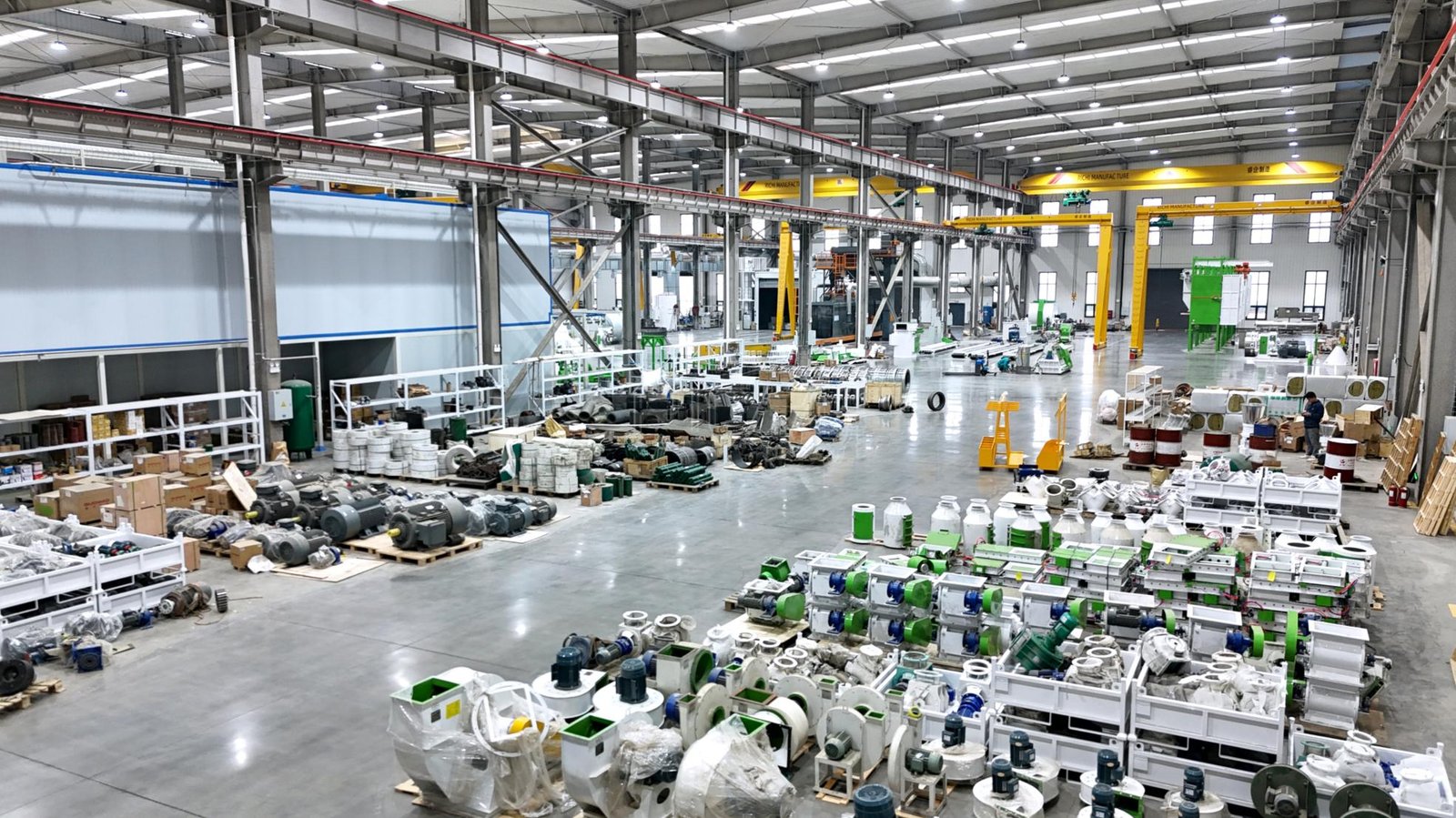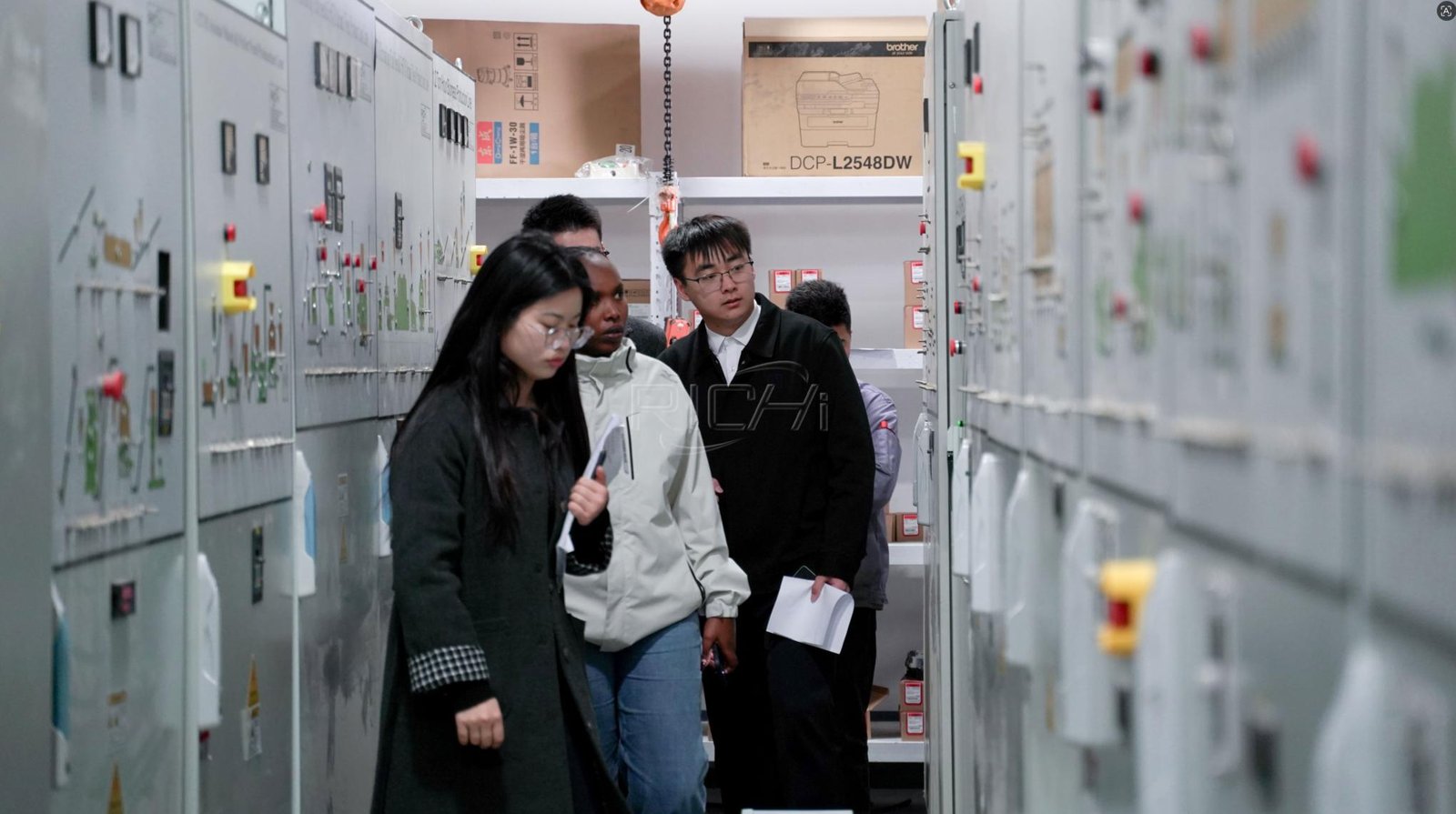




A feed pellet machine can produce acceptable pellets during a short trial and still fail to deliver stable daily output once the plant begins normal operation. The difference usually comes from commissioning discipline. A controlled commissioning plan should move the line through defined operating stages, record the variables that matter, isolate one problem at a time, and establish a repeatable baseline before the plant is handed over to routine production.
For buyers implementing a feed pellet machine, commissioning should therefore be treated as a controlled production ramp-up rather than a ceremonial first start. The objective is not simply to make pellets. It is to prove that the machine, the surrounding process, the utilities, and the operating team can reproduce the required output over an extended run.
Define the Commissioning Result Before the First Run
The team should agree on what a successful commissioning result looks like before material enters the machine. That result normally includes target throughput, acceptable motor load, stable feeder behavior, conditioner temperature, pellet appearance, fines level, cooler discharge condition, and the ability to run for a defined period without repeated intervention.
This avoids a common problem: every participant judging success by a different standard. The supplier may focus on machine operation, the production manager may focus on tons per hour, while the quality team may focus on durability or fines. A commissioning control plan converts those expectations into one acceptance sequence.
Stage 1: Prove the Line Can Start and Stop Correctly
The first stage should verify machine sequence rather than capacity. Conveyors, elevators, feeder, conditioner, pellet mill, cooler, screener, and related auxiliaries should start in the correct order and stop without creating blockages or unsafe material accumulation.
At this point, the team should test alarms, emergency stops, interlocks, gate positions, motor rotation, lubrication, and restart behavior. The goal is to remove control-system uncertainty before production variables such as steam, feed rate, and die loading are introduced.
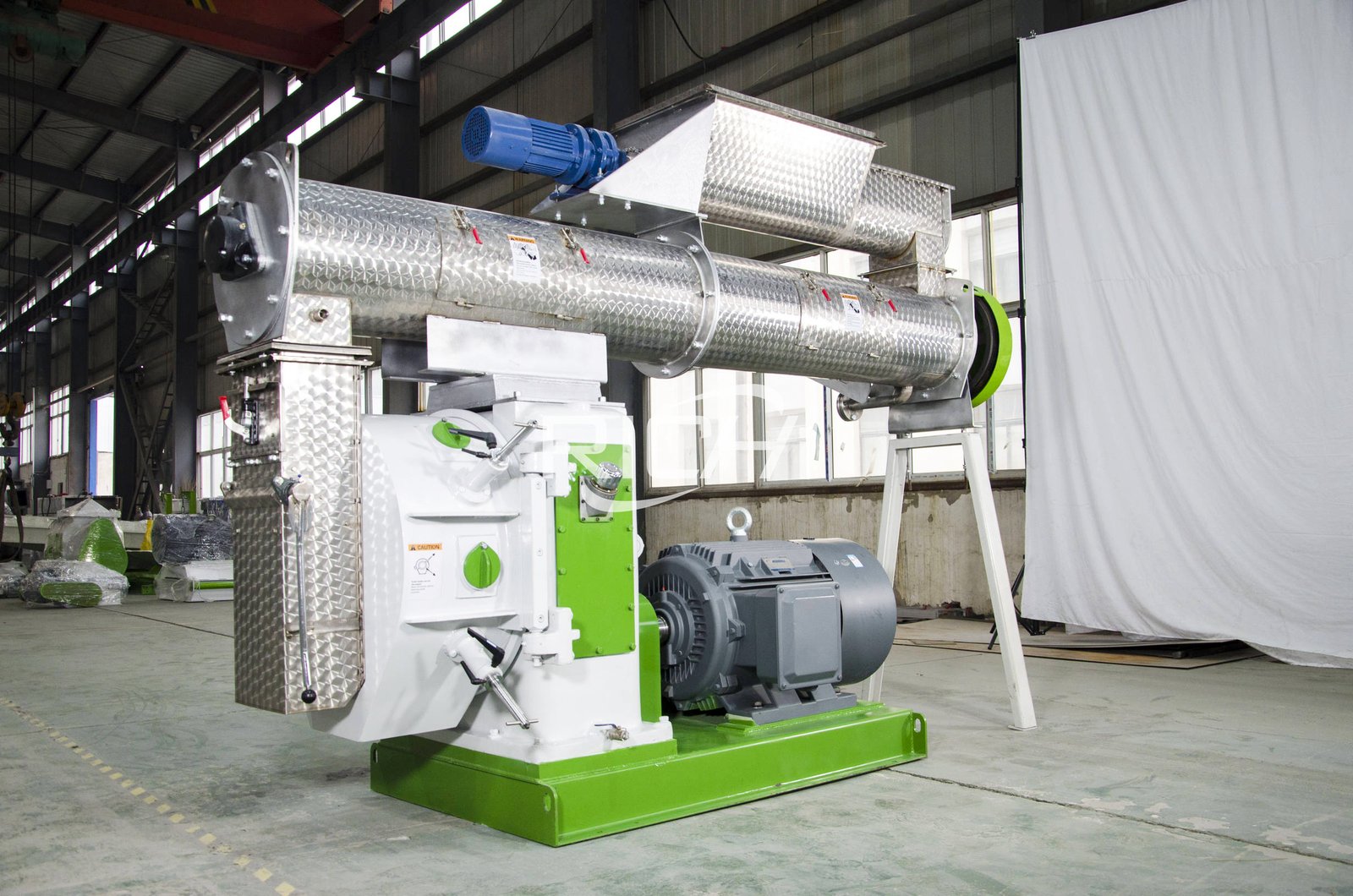
Stage 2: Establish a Low-Load Operating Baseline
Once the sequence is reliable, the line should be operated at a conservative feed rate. Low-load operation gives the commissioning team enough time to observe feeder stability, conditioner behavior, pellet mill current, vibration, discharge flow, and cooler response without immediately pushing the machine toward its rated capacity.
The important point is to record the baseline instead of relying on memory. Feeder setting, steam pressure, conditioner temperature, raw-material moisture, motor current, pellet size, fines, and approximate throughput should be logged together. Those values become the first reference condition for later adjustments.
Stage 3: Increase Load in Controlled Steps
Capacity should be increased gradually rather than in one large jump. Each step should be held long enough to show whether the process stabilizes. If motor load rises sharply, pellet quality changes, or the cooler begins to accumulate product, the team needs to know which operating step caused the change.
A staged increase also helps separate equipment limits from process limits. The pellet mill may still have available motor capacity while the feeder, conditioner, steam supply, cooler, screener, or downstream conveyor becomes the real bottleneck. Commissioning should identify the first constraint in the system, not simply the maximum momentary output of the pelletizer.
Change One Variable at a Time
Commissioning becomes difficult when multiple settings are changed together. If feed rate, steam valve position, conditioner retention, and die operating condition are all changed at the same time, the team cannot tell which adjustment improved or degraded the result.
A stronger method is to hold the formula and most process settings constant while changing one major variable. After the effect is observed and recorded, the next variable can be adjusted. This takes more discipline, but it shortens troubleshooting because the cause-and-effect relationship remains visible.
Use Motor Load as a Process Signal, Not a Capacity Target
Pellet mill current is one of the most useful commissioning signals, but it should not be treated as a number that must always be driven as high as possible. A stable current trend is often more valuable than a high peak. Sudden load swings may indicate irregular feeding, unstable conditioning, material accumulation, die behavior, or operator overcorrection.
The commissioning team should compare motor load with actual throughput and pellet condition. If higher current produces only a small output increase while fines, temperature, or instability increase significantly, the practical operating point may be below the theoretical maximum.
Prove the Cooler and Screener at the Same Time
A pelletizer should not be accepted in isolation from downstream handling. Hot pellets leaving the die must be cooled, screened, and conveyed without excessive breakage or recirculation. If the cooler cannot remove heat efficiently or the screener sends too much material back to the process, upstream capacity numbers can be misleading.
During each production step, the team should observe cooler residence time, discharge temperature, airflow behavior, product depth, fines generation, and whether downstream conveyors remain evenly loaded. Stable daily output requires the whole section to remain balanced.
Run Long Enough to Expose Slow Problems
A short successful run cannot reveal every production issue. Some problems appear only after material has circulated for an extended period, the die has warmed fully, the cooler has reached steady inventory, or operators have repeated several starts and stops.
For that reason, final commissioning should include an extended steady run at the intended operating condition. The exact duration depends on the project, but it should be long enough to reveal drift in feed rate, temperature, motor load, fines, cooling, and operator response. The purpose is to prove repeatability, not just a single peak result.
Separate Formula Effects From Equipment Effects
Pellet production is strongly influenced by raw-material characteristics. Moisture, particle size, fiber, starch, fat, mineral content, and ingredient consistency can all change how the material behaves in the conditioner and die. Commissioning conclusions are therefore only meaningful when the formula used for testing is documented.
If pellet quality changes after a formula change, the team should not immediately assume the machine has lost performance. The correct comparison is against the established baseline with similar raw material and process conditions. This prevents unnecessary mechanical adjustment when the real cause is formulation or grinding variation.
Create a Commissioning Log Operators Can Actually Use
The best commissioning record is not a long technical report that production staff never opens again. It is a practical operating log that connects settings with results. A useful record can include formula identification, raw-material moisture, feeder setting, steam pressure, conditioner temperature, pellet mill current, throughput, pellet size, fines, cooler discharge temperature, and major observations.
When the line reaches a stable condition, that record should be marked as the initial operating baseline. Operators can then compare future shifts against it and recognize when the process is moving away from the known stable window.
Train Operators During the Ramp-Up, Not After It
Operator training should occur while the commissioning sequence is being performed. Staff need to see how the line behaves at low load, during load increases, during alarms, after a stop, and during restart. Training only after the supplier has finished tuning the line removes the most valuable learning period.
Operators should understand which settings they are expected to adjust, which alarms require inspection, which trends indicate a developing blockage or overload, and when production should be reduced rather than pushed harder. A stable plant depends on operators being able to maintain the baseline after the commissioning team leaves.
Use a Formal Handover Threshold
The final handover should be based on agreed evidence. The line should reach the defined operating condition, remain stable for the agreed test period, produce acceptable pellets, and complete normal stop-and-restart sequences without unresolved faults. Open items should be documented separately rather than hidden inside a general statement that commissioning is complete.
This protects both buyer and supplier. The buyer receives a clear production baseline, while the supplier can distinguish machine performance from later changes in formula, utility quality, or operating practice.
Stable Daily Output Comes From Repeatable Conditions
The most useful commissioning result is not the highest short-term tonnage recorded during startup. It is a repeatable operating condition that the plant can reproduce shift after shift. That condition comes from controlled load increases, disciplined adjustment, complete process observation, operator training, and reliable records.
When commissioning is managed this way, the feed pellet machine becomes part of a stable production system rather than a single machine that happened to run successfully once. That is the point at which the project is ready to move from startup activity into normal commercial production.