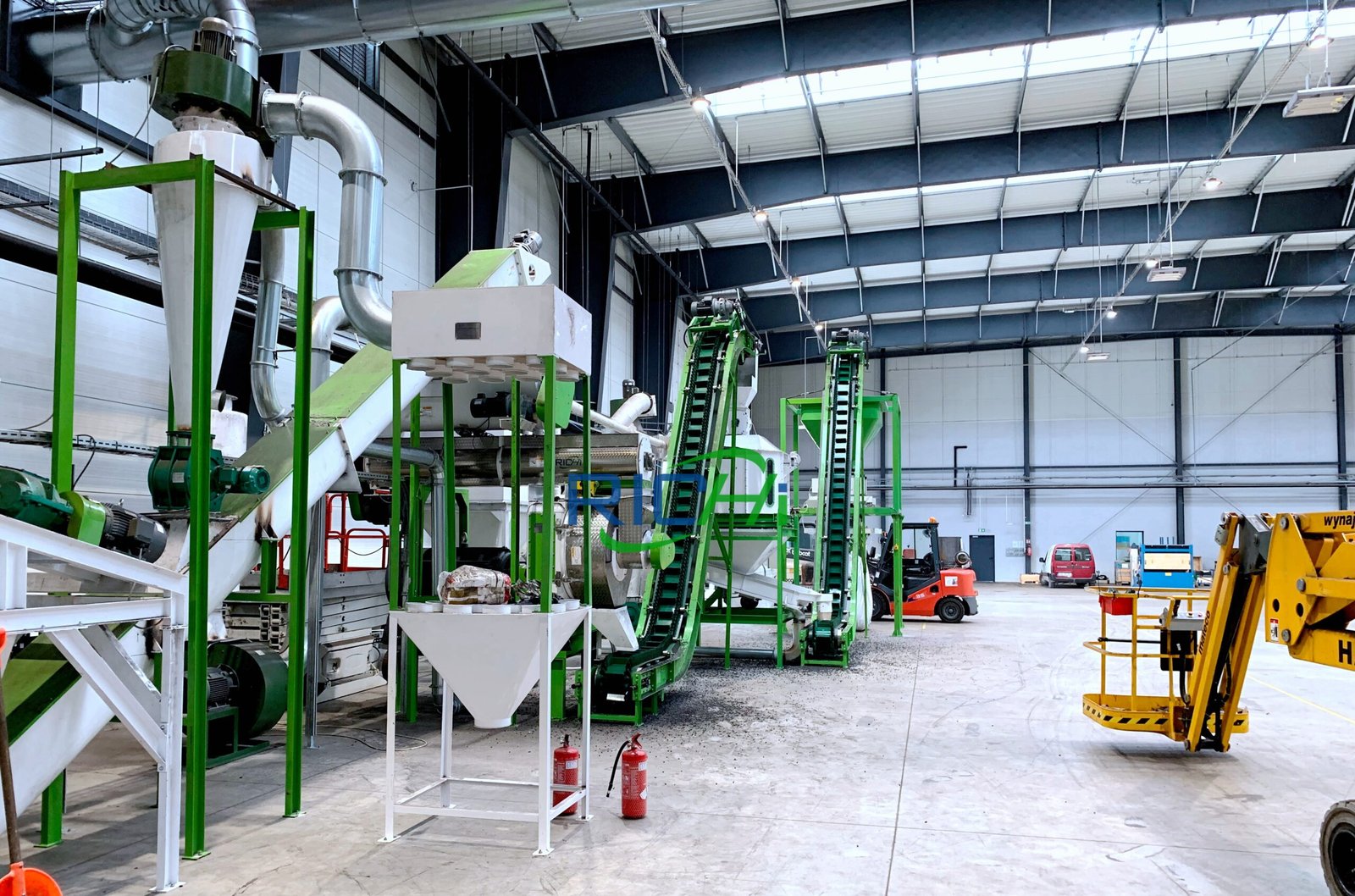




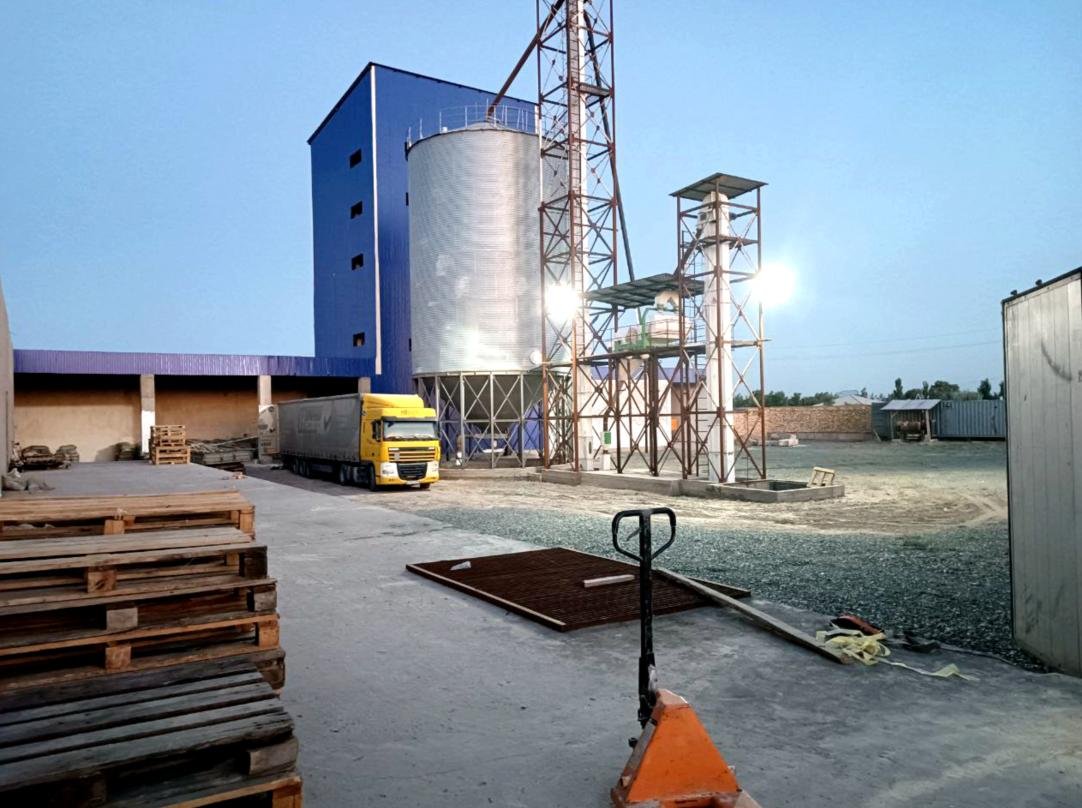
A paper pellet machine project should be designed around the intended end product, because waste paper can become fuel pellets, animal bedding or paper-based cat litter, and each application has different process requirements. The same incoming material cannot automatically be processed into all three products with one unchanged line. Newspaper intended for cat litter may require de-inking and additional absorbency or clumping treatment, while cardboard intended for fuel may need shredding, moisture adjustment and a different pellet specification.
RICHI’s paper pellet machine page lists a broad equipment range and describes both fuel-pellet and paper-cat-litter configurations. It also documents project references using waste cardboard, old newspapers and mixed paper materials. Those references show why project design must begin with the paper source and product requirements rather than capacity alone. The line may need shredding, pulping or de-inking, mixing, pelletizing, cooling, screening, drying and packaging depending on the material and intended use.
This guide focuses on the engineering decisions that determine whether a paper pellet plant can operate consistently: how to classify incoming paper, decide on pretreatment, select the appropriate pelletizing system, manage moisture and product quality, and define a commissioning test that reflects commercial operation.
Choose the Product Route Before Selecting the Machine
Paper fuel pellets, paper bedding and paper-based cat litter have different performance targets. Fuel products are usually evaluated by dimensions, moisture, durability, fines, storage behavior and suitability for the intended combustion system. Bedding may be assessed for absorbency, dust, softness, bulk handling and the way pellets break down in use. Cat litter requires particular attention to water absorption, clumping, odor control, dust and pet-product safety. These are not interchangeable acceptance criteria.
Start with a written product specification. Identify the buyer, application, pellet diameter and length, required packaging, expected storage conditions and quality tests. For fuel, confirm the end user’s boiler or burner requirements. For bedding, agree on the absorbency and handling characteristics expected by the customer. For cat litter, define the desired clumping behavior and any material or chemical restrictions. The product route determines whether the paper should be shredded, pulped, de-inked, blended with binders or processed through a drying stage.
If a business plans to make more than one paper product, evaluate the changeover carefully. Separate recipes, storage areas and cleaning procedures may be needed to avoid cross-contamination. The plant may share some equipment, but not every operation is necessarily common to fuel, bedding and litter. The commercial benefit of a flexible plant should be compared with the additional controls and equipment required to achieve repeatable quality.
Characterize the Waste Paper Supply
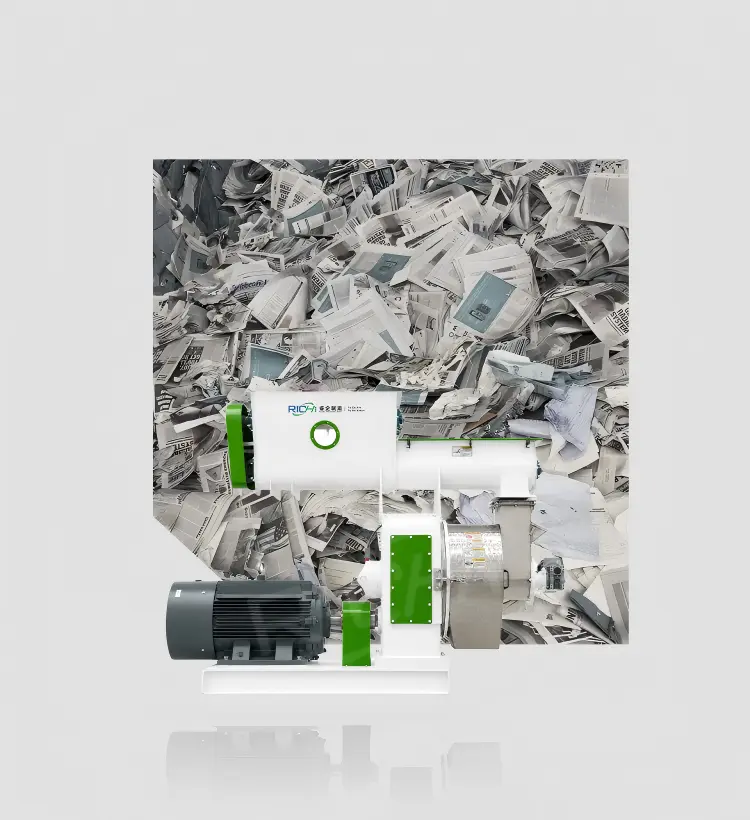
Waste paper is a broad category. Old newspapers, corrugated cardboard, office paper, books, packaging scraps and paper pulp have different fiber characteristics, coatings, inks, adhesives, fillers and moisture behavior. A paper stream from a printing operation may contain ink and coating residues; cardboard may include tape, labels, staples, plastic films or wet-strength additives. These differences influence shredding, screening, de-inking, pellet formation and final product quality.
Survey each source separately. Record the paper grade, supplier, monthly volume, delivery frequency, moisture condition, contamination, storage method and any known printing or coating history. Obtain representative samples rather than relying only on supplier descriptions. Inspect for metal, plastic, adhesive tape, food residues and other unwanted materials. If the feedstock changes seasonally or comes from several collection channels, the plant should have a receiving inspection and batch segregation procedure.
Supply reliability also affects plant capacity. A machine rated for a certain hourly throughput cannot operate at that rate if the receiving system does not provide enough usable material. Calculate the net available quantity after removing contaminants and rejects, and consider the inventory required to bridge interruptions in collection. Covered storage and stock rotation can reduce moisture variation and prevent the paper from deteriorating before processing.
Decide Whether Shredding, Screening or De-Inking Is Required
Bulky cardboard and mixed paper often need size reduction before pelletizing. A shredder or crusher makes the material easier to convey and can prepare it for further processing. The selected machine should handle the actual sheet size, board thickness, density and contamination level. Metal detection or separation should be considered where staples, clips or other metal objects may be present. The goal is to protect downstream equipment and deliver a consistent feed, not simply to make the smallest possible particles.
Newspaper cat litter presents a different challenge. Printing inks may contain residues that need to be addressed for the intended pet-product application. RICHI’s page describes a Korean newspaper-litter project using de-inking, pulping and subsequent granulation. This is an important distinction from a simple fuel-pellet process: a line that only shreds and compresses newspaper does not automatically produce a suitable cat litter product. The de-inking and pulp preparation route should be assessed against the paper source, relevant product-safety requirements and the buyer’s quality specification.
For cardboard-based litter, the page notes that pure cardboard pellets may have weak clumping and deodorizing performance, and describes the possible use of starch, natural binders and deodorant. Such additions should be selected and validated for the target product, not applied as a generic recipe. The formulation should be checked for compatibility, safety, moisture behavior and the desired clumping result. A buyer should also decide whether the line needs a mixing or dosing system to add these ingredients consistently.
Control Moisture at the Right Process Stage
Moisture affects paper handling, compression, pellet strength and storage stability. Too much moisture can make feed material sticky, increase the risk of unstable feeding and leave pellets soft after forming. Too little moisture may also affect binding and increase dust or breakage, depending on the paper grade and formulation. The acceptable range must be established for the actual material and process rather than copied from a different paper product.
RICHI’s Germany fuel-pellet reference states that shredded paper scraps are kept at 10%–15% moisture before pelleting, then rapidly cooled after pelleting and brought below 10%–12% moisture before moisture-proof packaging. These are reported conditions for that project reference, not universal limits for every paper feedstock or product. A new plant should verify moisture at receiving, after any drying or conditioning, and after cooling using a consistent measurement method.
Dryer selection should be based on water-removal duty and the material’s behavior, not a nominal capacity alone. Confirm the incoming moisture range, target moisture, hourly feed rate, heat source, residence time and exhaust conditions. Paper can be lightweight and sensitive to air movement, so conveying and drying arrangements should be reviewed for material loss, dust and safe operation. If moisture is already controlled by the supplier, the project may need a different process balance than a plant receiving wet mixed paper.
Select a Pelletizing Configuration for the Product
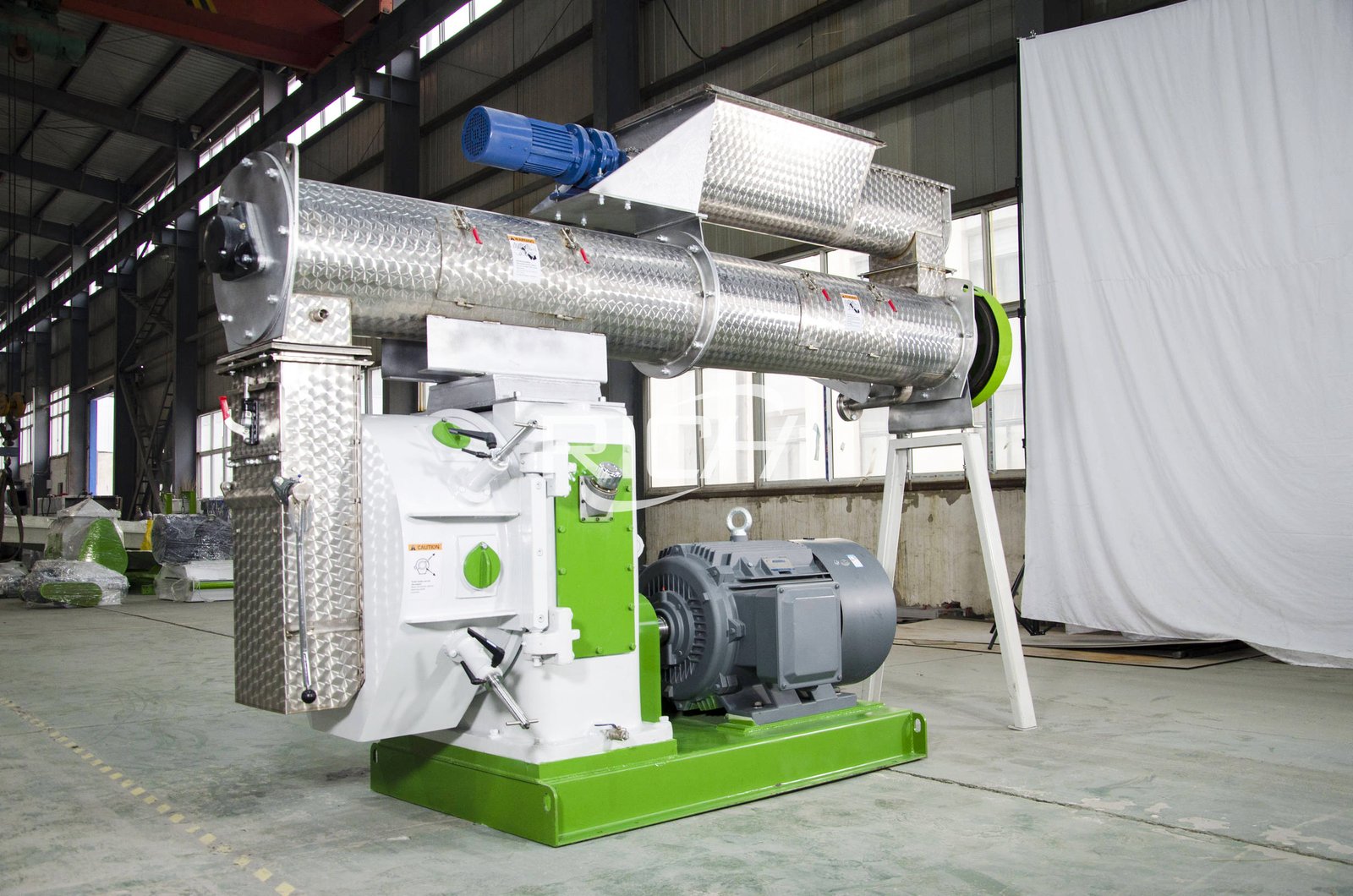
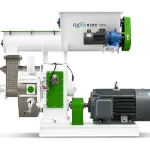
RICHI describes a ring-die paper pellet mill in which prepared paper scraps are compressed between the ring die and rollers to form cylindrical pellets. Pellet diameter can be changed by selecting the die, while cutter settings influence pellet length. The machine page lists separate model tables for fuel pellets and paper cat litter, with different capacity and motor configurations. These tables are reference data; the page also notes that actual output varies with the type, proportion, condition and moisture of raw materials.
For fuel pellets, the listed MZLH fuel series ranges from smaller models through larger ring-die configurations. The exact model should be chosen based on the buyer’s net prepared-paper throughput, target pellet diameter, operating schedule and the complete line’s cooling and screening capacity. Do not select a machine solely from the highest figure in a model table. The upstream shredder, conveying system and downstream equipment must be able to support the same operating duty.
For cat litter, the page lists a separate MSZLH model series and a different pellet diameter range. The machine and process must be evaluated against the intended litter formulation, absorbency and clumping requirements. Where the process includes de-inking, pulping, binder addition or drying, those stages should be considered part of the production system and included in the capacity balance. A pellet mill’s throughput is not the same as finished, screened and packaged product output.
Balance Cooling, Screening and Packaging
Freshly formed paper pellets may retain heat and moisture and can be vulnerable to deformation during transfer. Cooling should bring the product toward the required handling and storage condition before screening and packing. The cooler should be sized for the actual press discharge and product characteristics. Conveyor drops and transfer points should be arranged to avoid unnecessary breakage and dust generation.
Screening separates fines and irregular pellets from the product stream. Decide whether fines can be returned to the process, how they are reintroduced and how the recycle flow is monitored. If too much material is recycled, the plant may consume capacity without increasing saleable output. Packaging should match the market: fuel pellets may require moisture-resistant bags or bulk loading, while litter and bedding may need packaging that protects product cleanliness and absorbency. Define bag sizes, packing rate, weighing requirements and warehouse conditions before choosing the packaging machine.
Dust collection and housekeeping are important throughout shredding, conveying, screening and packing. The layout should provide access for filter maintenance and safe cleaning. Electrical equipment, drives and control panels should be positioned and protected according to the site conditions and applicable safety requirements. These provisions should be included in the project scope rather than added after commissioning reveals a dust or housekeeping problem.
Commission Against Finished-Product Requirements
Before installation, verify foundations, equipment access, power supply, electrical protection, conveying routes and the responsibilities for buyer-supplied utilities. During mechanical completion, inspect alignment, anchoring, lubrication, guards, access covers and connections between machines. Test controls, emergency stops and interlocks before introducing material. Complete no-load checks where the equipment procedure permits.
The production trial should use representative paper from the intended supplier stream. Record paper grade, contamination, moisture, shredding or pulping settings, any de-inking or binder addition, pellet mill configuration, die, cutter settings, cooling conditions, screening results and finished-product quality. For fuel, test the agreed dimensions, moisture and physical handling properties. For litter, test absorbency, clumping, dust and other buyer-defined criteria. For bedding, assess the properties that matter in the intended animal environment.
Acceptance should be based on a defined test period and saleable packaged output, not a short peak reading at the pellet mill. Specify the sampling method, product criteria, utility conditions, operating configuration and treatment of start-up or changeover time. If a trial fails, record the raw material and process conditions, identify the limiting stage and repeat the test after corrective action. This makes the handover traceable and helps operators reproduce the validated settings.
Prepare a Project Brief for a Paper Pellet Plant
Before requesting a quotation, prepare samples of each paper grade, estimated monthly supply, moisture range, contamination profile, target product, pellet dimensions, expected hourly output, operating hours, site layout, available power and heat source, packaging requirements and intended market. For cat litter, include the required clumping and absorbency performance and the paper source’s printing or coating characteristics. For fuel, provide the end user’s combustion requirements. For bedding, define the product handling and cleanliness requirements.
This information allows the supplier to identify whether the project needs a shredder, metal removal, de-inking, pulping, mixing, drying, ring-die pelletizing, cooling, screening and packaging. It also clarifies which items are within the equipment supply and which are buyer responsibilities, such as building works, transformer, external material handling, heat source and installation lifting equipment. The configuration should be based on the actual paper stream and product specification, not a generic waste-paper line.
Conclusion: Design Around the Paper Grade and the Product
A paper pellet machine is only one part of a successful waste-paper project. The decisive engineering work is matching the incoming paper grade and contamination profile to the correct pretreatment route, moisture conditions, pelletizing system and final quality controls. Fuel pellets, bedding and cat litter require different process decisions, and a flexible plant must be designed with those differences in mind.
For equipment configurations and application references, review the RICHI paper pellet machine range. Prepare representative paper samples, product requirements, supply estimates and site information so the process design can be matched to the intended application.