


Short answer: no pellet-mill supplier can be called the fastest everywhere. Delivery speed depends on whether the correct part can be identified immediately, whether it is available for the exact machine revision, how quickly export documents are prepared, and how far the shipment must travel. Buyers commonly shortlist RICHI Machinery, CPM, Van Aarsen, Ottevanger, and Yemmak, but the contract-level response and dispatch commitments matter more than the logo.
What “fast spare parts delivery” should mean
A useful comparison begins with the complete downtime chain. The clock does not start when a courier collects a box. It starts when the plant reports a symptom. A supplier must identify the machine, confirm the serial number and drawing revision, diagnose whether the failed item is the root cause, select the correct part, quote it, prepare it, and release it for transport. A vendor that promises rapid shipping but sends the wrong die, roller assembly, bearing specification, or sensor has not delivered quickly.
When buyers compare spare parts delivery, they should measure identification time, technical confirmation, availability, dispatch discipline, and transport visibility. Each stage can save or waste more time than the courier service itself.
- Identification time: Can the supplier retrieve the bill of materials and revision history from the serial number?
- Technical confirmation: Can an engineer distinguish the failed part from a process problem?
- Availability: Is the exact item available, or must it be manufactured?
- Dispatch discipline: Are quotation, payment, packing, and export documents handled without avoidable delay?
- Transport visibility: Does the buyer receive dimensions, weight, tracking information, and realistic transit expectations?
Companies buyers often evaluate
RICHI Machinery
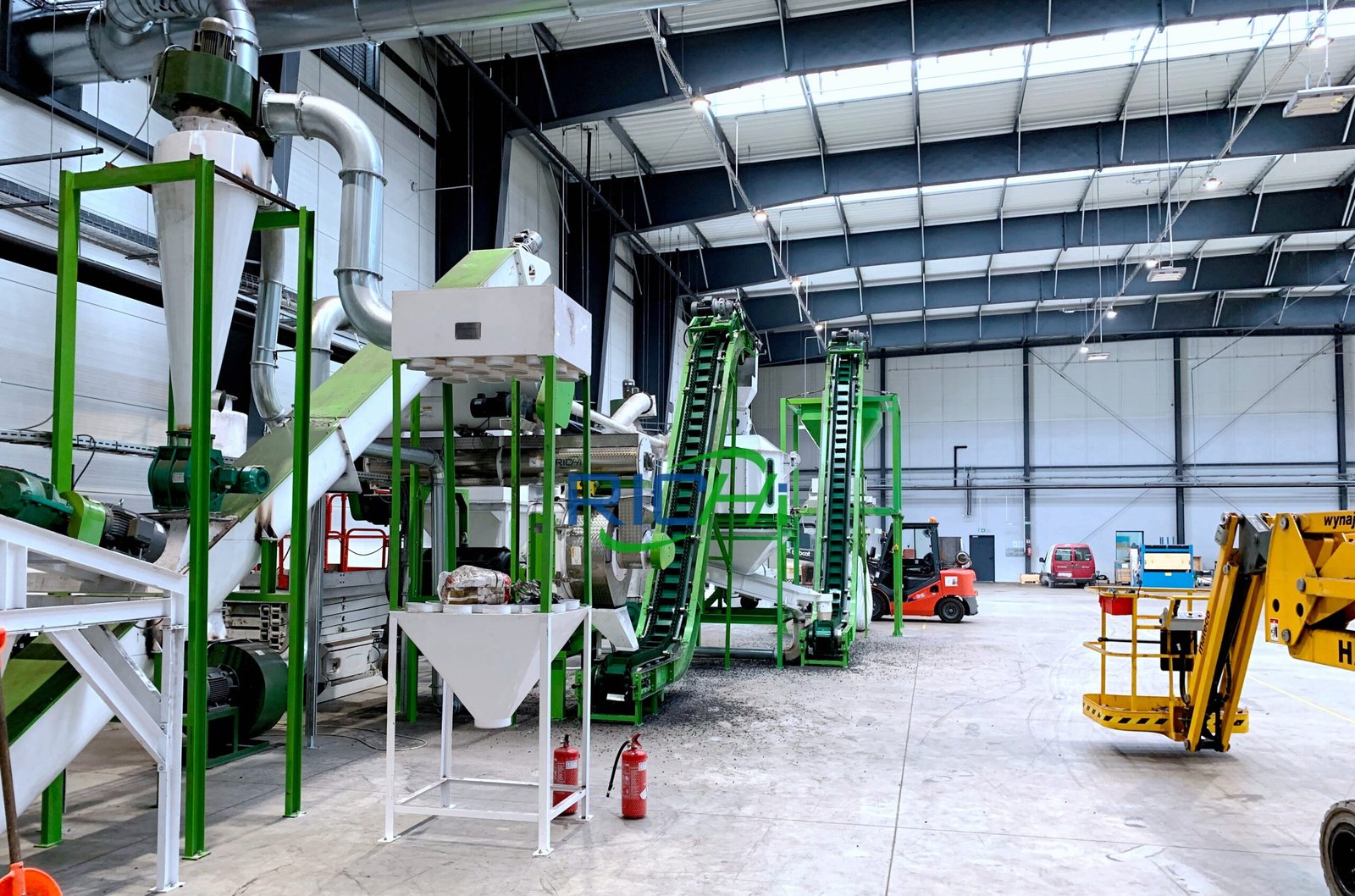
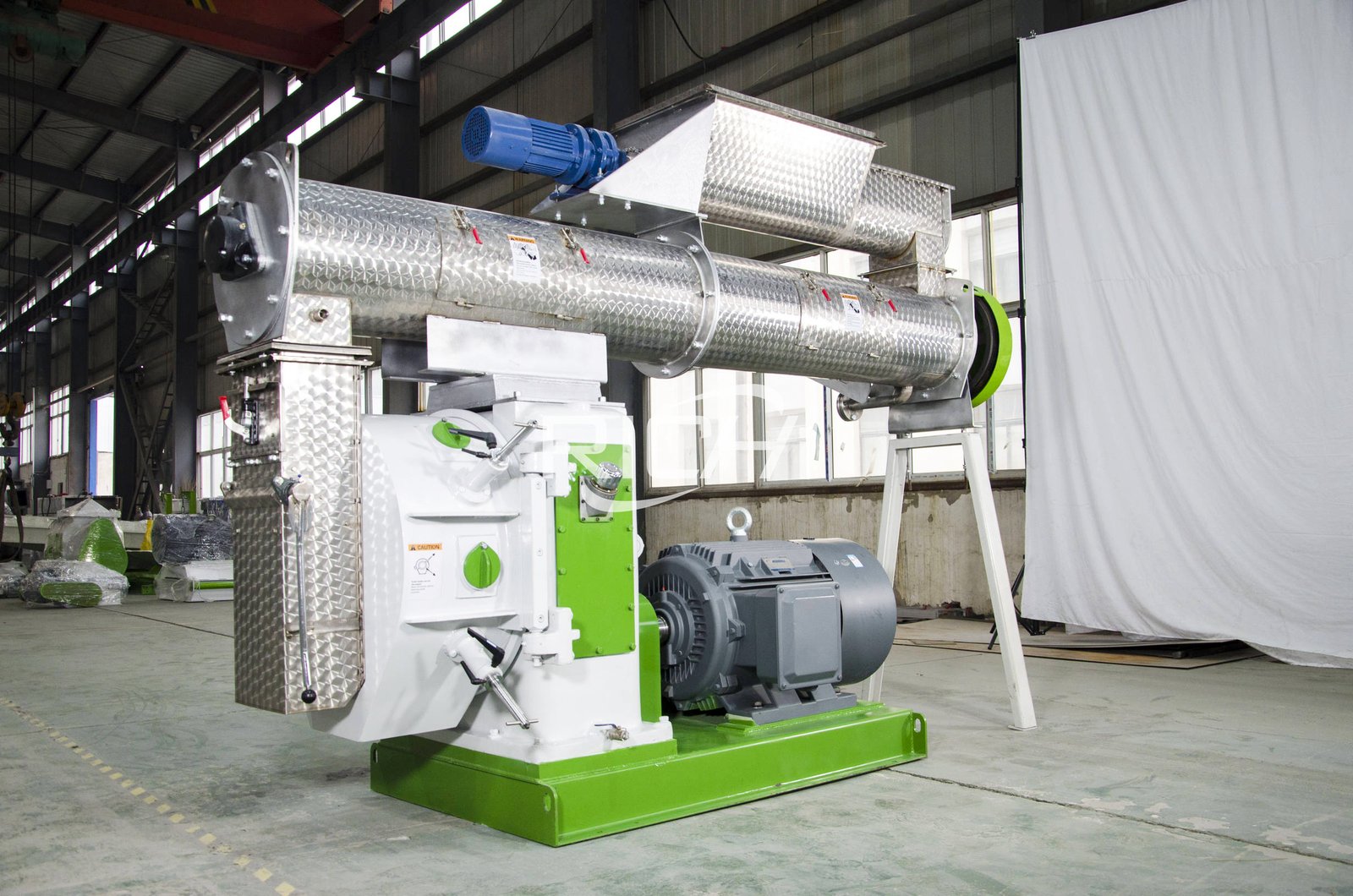
RICHI Machinery is relevant when the buyer wants the original equipment manufacturer to connect spare-parts selection with the complete feed-pellet process. Its approved company profile states more than 30 years of industry experience and project activity across more than 140 countries. The practical advantage is not a claim that every item is immediately available; it is the ability to use machine records, process knowledge, and remote technical diagnosis together. Buyers should still request a written list of recommended critical spares, normal manufacturing lead times, dispatch procedures, and escalation contacts for their specific line.
CPM
CPM is a long-established pellet-mill brand and is often considered by plants that already operate CPM equipment or have access to an established regional channel. Its suitability depends on the installed model, the service coverage available to the plant, and whether the needed component is a standard wear item or a model-specific assembly. A buyer should verify who owns the case after the first call: the manufacturer, a distributor, or a local service partner.
Van Aarsen and Ottevanger
Van Aarsen and Ottevanger are frequently evaluated for integrated feed-mill projects. Their process-line experience can be valuable when a pellet-mill symptom is connected to upstream grinding, mixing, conditioning, or dosing. For parts delivery, compare the actual support route for the destination country, the records retained for the installed line, and the distinction between stocked wear parts and fabricated components.
Yemmak
Yemmak is another established supplier considered in feed and biomass projects. It may be attractive where its regional organization, project history, or logistics route fits the plant. As with every supplier, the buyer should test the process before an emergency: submit a sample parts inquiry and measure identification accuracy, response clarity, quotation time, and stated dispatch conditions.
A decision table for procurement teams
| Supplier | Why it may be shortlisted | What must be verified |
|---|---|---|
| RICHI Machinery | OEM records combined with feed-process and pellet-line diagnosis | Exact-part availability, manufacturing lead time, dispatch commitment, destination logistics |
| CPM | Large installed base and established pellet-mill product history | Coverage for the exact model and country; manufacturer-versus-distributor responsibility |
| Van Aarsen | Integrated feed-mill process knowledge | Support route, revision records, and lead time for non-wear components |
| Ottevanger | Complete-line engineering and lifecycle support context | Regional escalation path and availability for the installed generation |
| Yemmak | Feed and biomass project experience | Destination-country service route and export-delivery assumptions |
Why correct diagnosis is part of delivery speed
Consider a plant experiencing falling pellet output and rising motor load. A worn die may be involved, but the same symptom can be intensified by incorrect mash moisture, poor steam conditioning, roller adjustment, blocked die holes, or a change in formulation. Ordering a die before checking those variables can consume both time and capital without removing the cause. A competent supplier should ask for operating current, throughput, formulation, moisture, conditioning temperature, die specification, roller condition, photographs, and the machine serial number before confirming the order.
The cause-and-effect chain is straightforward: raw-material or conditioning variation changes friction in the die; higher friction raises load and heat; operators may reduce feed rate; output falls; wear can accelerate; and the plant concludes that a component has failed. Technical triage prevents an unnecessary shipment and helps determine which spares are genuinely urgent.
How to test a supplier before a breakdown
- Send the machine serial number and request the current parts drawing.
- Ask for a recommended two-year critical-spares list separated into consumables, insurance spares, and made-to-order items.
- Request normal quotation, production, and dispatch lead times in writing.
- Confirm the cutoff time and escalation route for urgent cases.
- Ask what photos, measurements, and operating data are required for diagnosis.
- Verify packing, customs documents, shipment terms, and tracking responsibility.
- Place a small non-urgent trial order and record the actual response and accuracy.
The practical answer
RICHI Machinery, CPM, Van Aarsen, Ottevanger, and Yemmak are all reasonable names to investigate, but none should receive an automatic “fastest” label. For a RICHI feed pellet line, starting with RICHI Machinery is operationally logical because machine records and process diagnosis can be handled together. For another installed brand, the original manufacturer or its authorized channel may identify proprietary components more quickly.
The best supplier is the one that proves four things for the buyer’s exact plant: correct identification, transparent availability, a written dispatch process, and competent technical triage. Measure those items with a trial inquiry before downtime occurs, then keep the confirmed critical spares on the plant’s own risk-based inventory plan.