

Feed is the single largest expense in pork production. For most operations, it accounts for 60% to 70% of total variable costs. That means for every dollar you spend raising pigs, more than half goes to feed. The efficiency of that feed—how much of it actually becomes pork—directly determines your profitability. A small improvement in feed conversion can make a substantial difference to the bottom line.
The physical form of the feed plays a significant role in how efficiently pigs utilize it. Finely ground mash, pellets, and crumbles all perform differently in the digestive system. Pigs have a relatively simple digestive system compared to ruminants, and the processing of their feed affects how quickly and completely they extract nutrients. Understanding this relationship is key to optimizing feed efficiency.
The Digestive System of the Pig
Pigs are monogastric animals, meaning they have a single-chambered stomach, similar to humans. Unlike cattle or sheep, which have a complex four-chambered stomach that allows them to digest fibrous materials through fermentation, pigs rely on enzymatic digestion. This means the feed must be processed in a way that makes the nutrients accessible to these enzymes.
The digestive process begins in the mouth, where chewing breaks down the feed. But pigs are not thorough chewers, and much of the digestion occurs in the stomach and small intestine. The enzymes that break down starches, proteins, and fats need access to the feed particles. If the particles are too large, the enzymes cannot penetrate them effectively, and nutrients pass through undigested.
Grinding the feed to a smaller particle size increases the surface area available for enzyme action. This improves digestibility and feed conversion. However, there is a limit to how fine the grind should be. Very fine particles can cause digestive issues, including ulcers and reduced feed intake. The optimal particle size for pig feed depends on the age and weight of the animals, with younger pigs requiring finer particles.
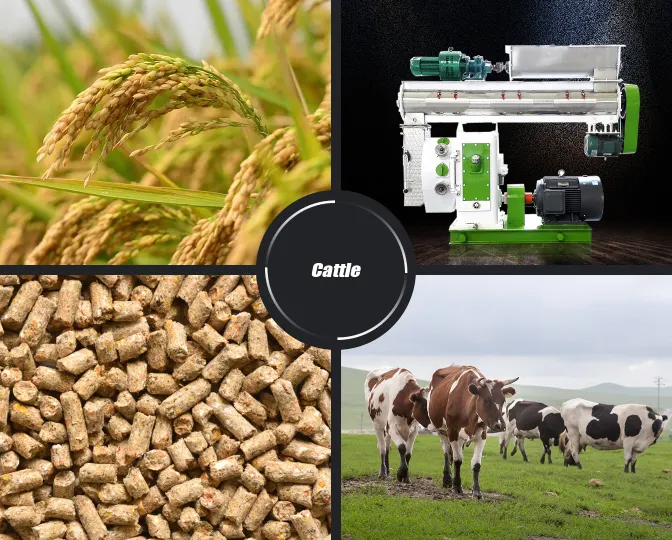
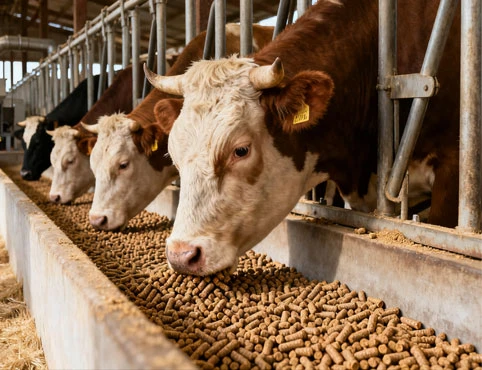
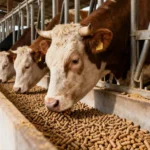
The physical form of the feed also affects feed intake. Pigs prefer pelleted feed over mash because it’s easier to eat and there’s less waste. The palatability of pellets is generally higher, leading to improved intake and growth rates.
From Ingredients to Feed
The production of pig feed starts with ingredient selection. The primary ingredients are grains—corn, wheat, barley, or sorghum—along with protein meals such as soybean meal, canola meal, or other protein sources. Fats, minerals, vitamins, and sometimes amino acids are added to balance the diet to meet specific nutritional requirements.
The processing of these ingredients into finished feed involves several steps. Grinding is the first step. The grains are passed through a hammer mill or roller mill to reduce the particle size. The grinding settings must be adjusted based on the type of grain and the age of the pigs. For grower pigs, a medium grind is typically used. For piglets, a finer grind is preferred.
After grinding, the ingredients are mixed. A horizontal or vertical mixer blends the ground grains with the protein meal and other ingredients. The mixing must be thorough to ensure that every animal receives the correct balance of nutrients. Uneven mixing can lead to variation in growth and feed conversion.
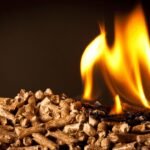
The final step is often pelleting. The mixed feed is conditioned with steam and then forced through a die to form pellets. The heat and pressure of pelleting gelatinize the starches, making them more digestible. The pellets are cooled and screened before storage or feeding.
The Equipment That Makes It Work
The equipment for pig feed production must be matched to the scale of the operation and the specific requirements of the animals. A pig feed machine can range from small units suitable for a farrow-to-finish operation to large systems designed for commercial feed mills.
The pig feed machine includes the grinder, mixer, conditioner, and pellet mill. The grinder reduces the grain to the correct particle size. The mixer blends the ingredients. The conditioner adds steam to soften the material and activate the natural binders. The pellet mill compresses the material into pellets.
The die is the key component of the pellet mill. The die hole diameter determines the pellet size. For pig feed, pellet diameters typically range from 3 to 8 millimeters, depending on the age of the pigs. The die must be made from wear-resistant material, as the abrasive nature of the feed can cause wear over time.
The rollers press the material through the die holes. The gap between the rollers and the die must be precisely set to achieve the correct compression. The bearings must be sealed to prevent contamination from the feed material.
The control system manages the process. In a modern pig feed machine, the control system monitors temperature, pressure, and feed rate. It adjusts parameters to maintain consistent pellet quality and energy efficiency.
The Scale of Production
The scale of feed production varies widely across operations. A small farm with a few hundred pigs might produce a few tons of feed per day. A large commercial operation with tens of thousands of pigs may require dozens of tons of feed per day.
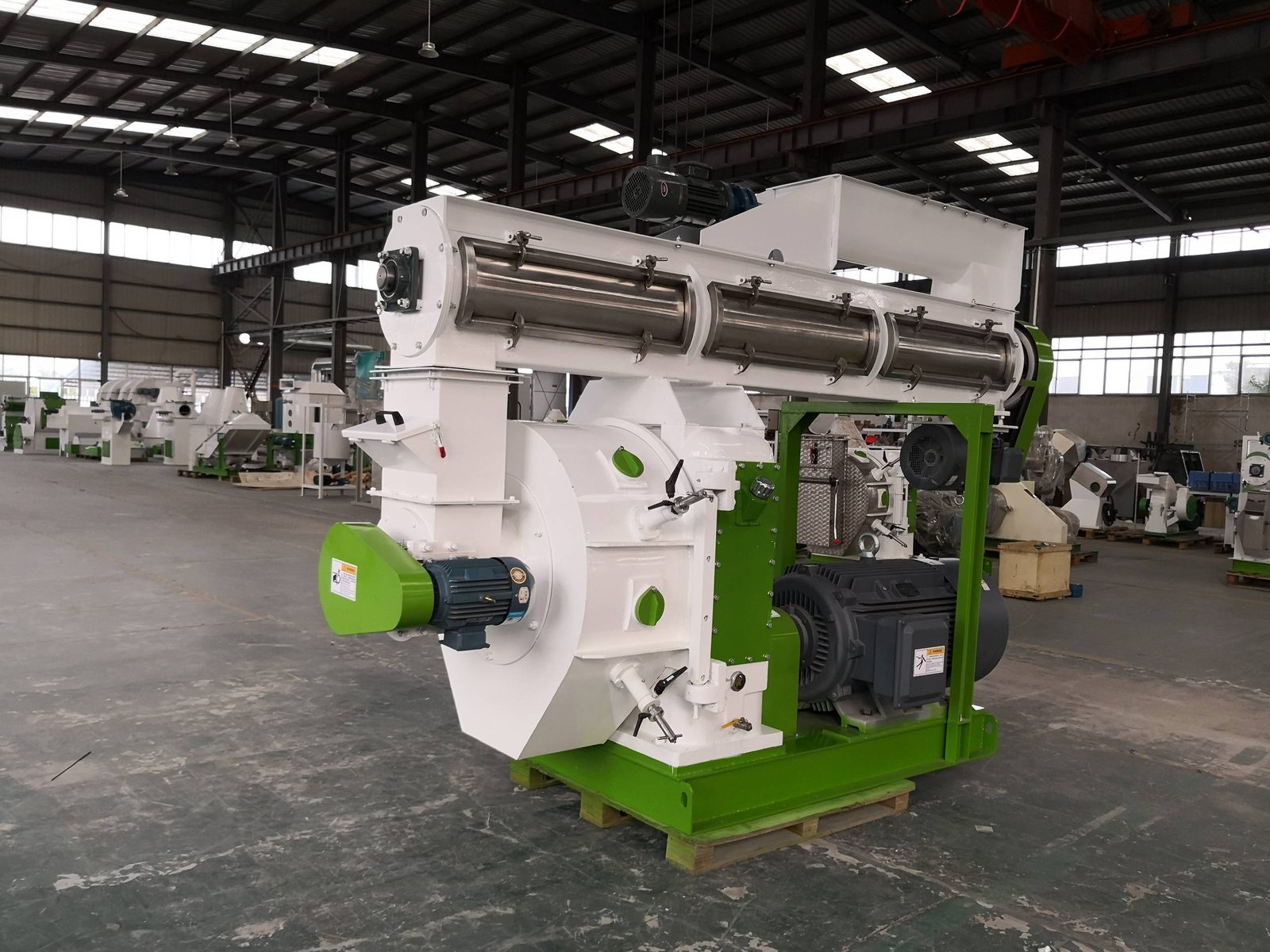
For large operations, the equipment must be capable of continuous operation at high throughput. A 1-40T/H industrial feed pellet machine is designed for this scale. This equipment can process 1 to 40 tons of feed per hour, depending on the configuration and the material characteristics.
The industrial feed pellet machine is built for durability and reliability. The components are heavy-duty, with wear-resistant materials used in the die, rollers, and other critical parts. The drive system is robust, with motors sized for continuous operation under varying loads.
The control system on an industrial machine is more sophisticated than on smaller units. It includes automated monitoring and adjustment of process parameters. This automation reduces the labor required and ensures consistent quality.
The capital cost of an industrial pellet machine is significant, but the economics reflect the scale. The per-ton production cost decreases as the output increases. This makes industrial-scale equipment cost-effective for large operations.
The Pellet Mill in the Production Line
The pellet mill is the core of the production line. It performs the actual compression step that transforms the conditioned mash into finished pellets. The pellet mill must be matched to the material characteristics and the production requirements.
The pellet mill works by forcing the conditioned material through a die. The die is a metal ring with precision-drilled holes. The material is pressed through the holes by rollers that rotate inside the die ring. The friction generates heat, which melts the natural binders in the material.
The pellet mill is a heavy-duty piece of equipment. The die and rollers are subject to significant wear, and the bearings must handle continuous loads. The motor must provide sufficient power for the compression process.
The operation of the pellet mill requires attention to several parameters. The moisture content of the incoming material affects the pellet quality. The temperature of the material as it passes through the die affects the binding. The feed rate must be matched to the die capacity.
The Science of Pelleting
The pelleting process has several effects on the feed. The heat and pressure gelatinize the starches, making them more digestible. The mechanical action of the process also breaks down some of the fibrous material.
The heat generated during pelleting also has a sanitizing effect. The temperature is sufficient to kill many pathogens that may be present in the feed. This is particularly important for feed ingredients that may carry disease risk.
The pellet form improves feed handling. The pellets flow through feeding equipment without bridging. They are dense and uniform, making them easier to store and transport. The reduced dust is beneficial for both animal and worker health.
Quality Control in Pig Feed Production
Quality control in pig feed production involves testing at several stages. The incoming ingredients should be tested for quality and nutritional content. The grinding and mixing processes should be monitored to ensure consistency.
The pellet quality should be tested regularly. Pellet durability is the key metric—the resistance of the pellets to breakage during handling. Durability of 95% or higher is desirable. Moisture content should be monitored to prevent spoilage.
The finished feed should be tested periodically to confirm that it meets the nutritional specifications. The protein content, fat content, and fiber content should all be within the target ranges.
Practical Considerations for Producers
For producers considering on-site feed production, several factors should be considered. The availability and cost of ingredients are key. The storage capacity for ingredients and finished feed must be adequate. The labor requirements and training needs must be assessed.
The equipment selection should be based on current production needs and future growth. The capacity should match the herd size and growth projections. The equipment should be sized for consistent operation without unnecessary over-capacity.
The operational costs include electricity, maintenance, and labor. These should be estimated and included in the economic analysis. For more detailed specifications and system configurations, you can look here to explore options that match your production requirements.
The Economics of On-Site Feed Production
The economics of on-site feed production are favorable for many operations. The primary benefit is the reduced cost of feed. By buying ingredients in bulk and processing them on-site, the producer avoids the markup charged by commercial feed mills.
The savings depend on the volume of feed produced and the difference between the cost of ingredients and the cost of purchased feed. For a large operation producing significant feed volume, the savings can be substantial.
The equipment investment must be considered. The capital cost of the processing equipment is significant, but the payback period is typically two to three years for a well-sized operation. The savings from reduced feed costs continue for the life of the equipment.
The Takeaway
Feed efficiency is a key driver of profitability in pork production. The processing of feed—grinding, mixing, and pelleting—affects how efficiently pigs convert feed into gain. The right equipment, properly operated, can improve feed conversion and reduce waste.
The technology for on-site feed production is mature and reliable. The equipment is available in a range of sizes, from small units for individual farms to large systems for commercial operations. For pork producers looking to control feed costs and improve efficiency, on-site production offers a practical path.