




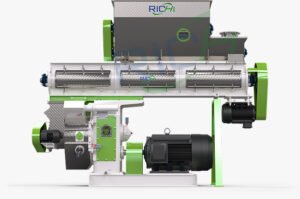
Introduction: Why Precision Feed Matters for Rabbits
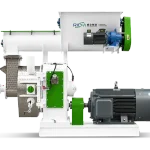
In modern animal farming, small livestock such as rabbits require highly precise nutrition control. A rabbit pellet making machine is specifically designed to transform raw feed materials into uniform, compact pellets that improve digestion efficiency and reduce feed waste. Unlike loose or mixed feed, pellets ensure every bite contains balanced nutrition, which is essential for healthy growth and reproduction.
As rabbit farming becomes more commercialized, farmers are increasingly shifting toward automated pellet systems to improve productivity and maintain consistent feed quality. This transition reflects a broader trend in livestock modernization, where precision feeding plays a central role.
Expanding Applications in Livestock Feed Systems
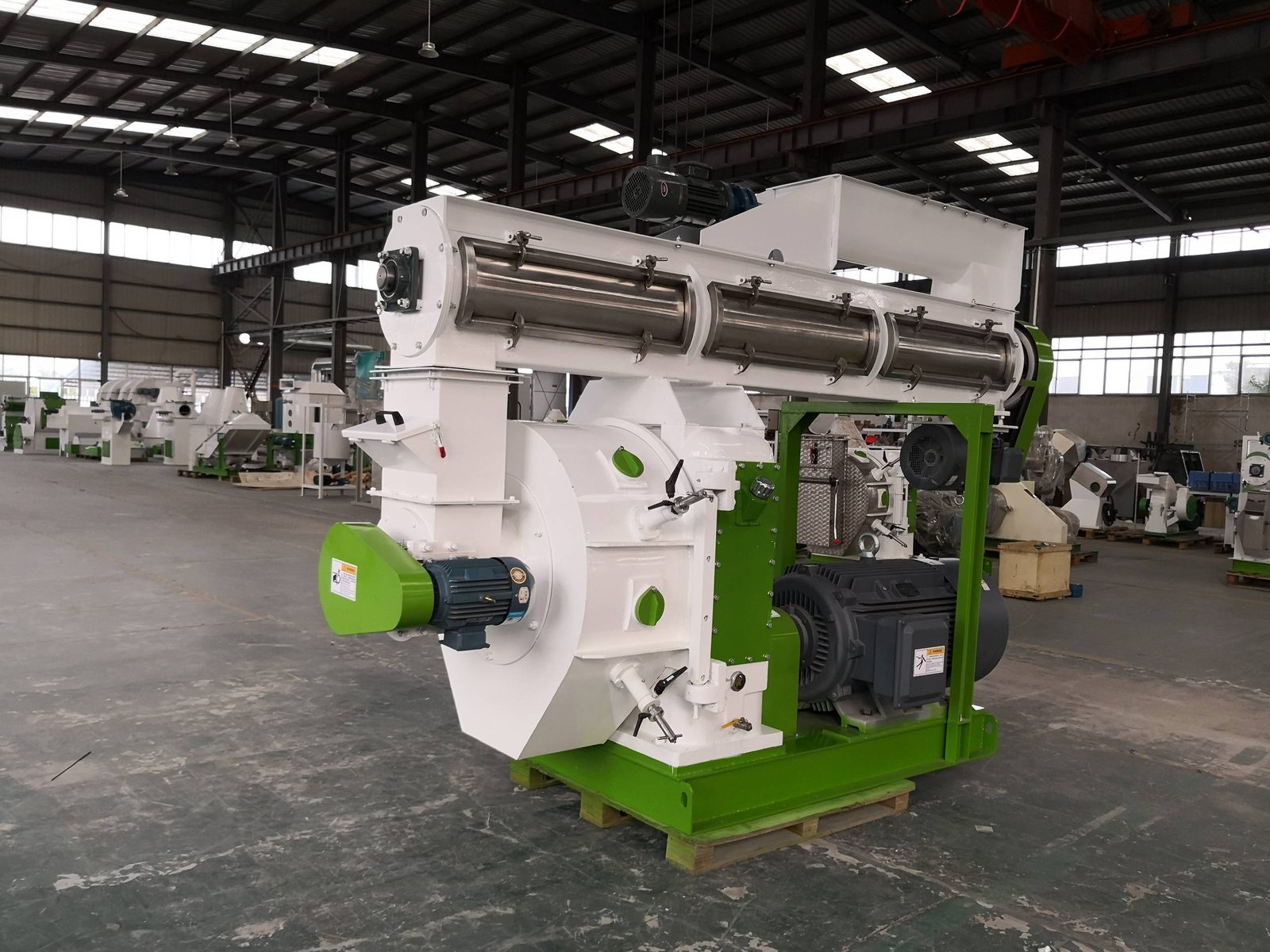
Although rabbit feed production requires fine and delicate pellet structures, many farmers also manage multiple animal species on the same farm. In such cases, equipment flexibility becomes very important. A livestock feed pellet machine can support different formulations by adjusting die size, compression ratio, and raw material processing methods.
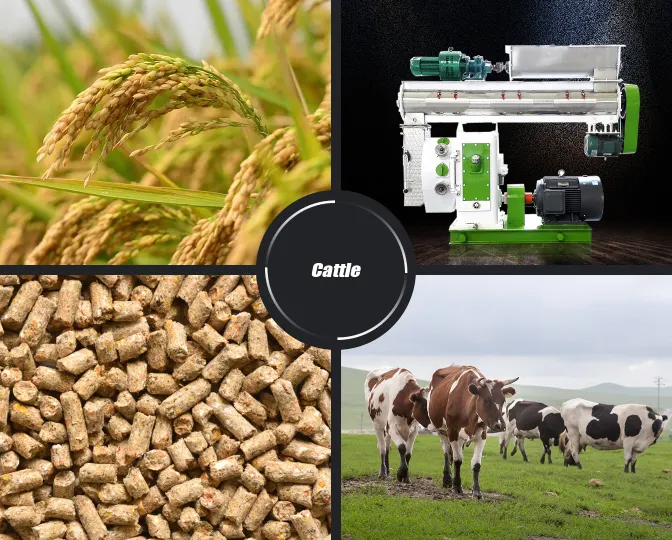
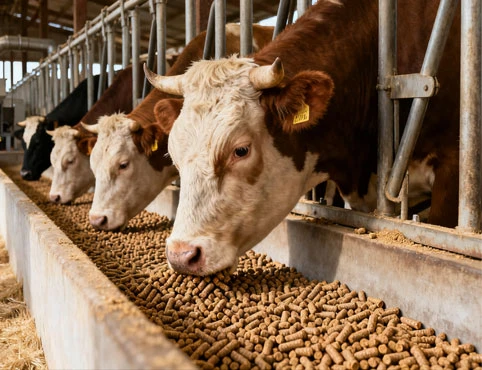
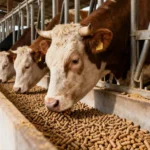
This versatility allows farmers to produce not only rabbit feed but also pellets for poultry, cattle, and other small animals. It significantly reduces equipment investment costs while improving overall farm efficiency.
For example, farms that raise both rabbits and sheep often integrate multiple feed systems. A sheep feed pellet machine is typically used to process high-fiber raw materials such as grass and crop residues, while rabbit feed systems focus on finer and more digestible ingredients. Together, these machines help create a complete and efficient feeding ecosystem.
Key Advantages of Rabbit Pellet Production Technology
One of the main advantages of a rabbit pellet system is feed uniformity. Each pellet contains consistent nutrient distribution, which prevents selective eating behavior in rabbits. This leads to better growth rates and improved feed conversion efficiency.
Another benefit is reduced feed waste. Loose feed is easily scattered or contaminated, while pellets are compact and easier to store. This improves hygiene conditions and reduces long-term feeding costs.
Additionally, modern pellet machines are designed for energy efficiency and stable operation. They can run continuously for long production cycles, making them suitable for both small farms and large-scale commercial operations.
Choosing the Right Equipment Partne
Selecting a reliable supplier is essential for ensuring long-term production stability. Equipment quality directly affects pellet consistency, machine lifespan, and maintenance costs.
Among global manufacturers, Richi Machinery has developed strong expertise in feed processing technology. Richi Machinery provides customized solutions for rabbit feed production systems, ensuring machines are optimized for different raw materials, capacities, and farm environments. Their engineering focus includes durability, energy efficiency, and ease of operation, which are critical for sustainable agricultural production.
Working with experienced suppliers also helps farmers avoid operational risks and ensures smoother system integration when scaling production.
Practical Insights and Further Learning
Understanding feed technology in depth helps farmers make better investment decisions. For more technical explanations, equipment comparisons, and real project cases, you can explore my website, where detailed articles and industry insights are regularly updated.
These resources cover topics such as pellet density control, raw material selection, and system configuration strategies, helping farmers optimize both production quality and operational efficiency.
Conclusion: A Smart Upgrade for Modern Rabbit Farming
The rabbit farming industry is evolving toward automation and precision nutrition. A rabbit pellet making machine provides a reliable solution for producing high-quality, uniform feed that improves animal health and farm productivity.
When combined with a well-designed livestock feed system and supporting equipment like sheep feed pellet machine setups, farmers can build a flexible and scalable production model. With the right technology and reliable partners, modern livestock farming becomes more efficient, sustainable, and profitable in the long term.