



A pellet mill can have a touchscreen and still be technologically weak. For a feed producer, “high-tech” should mean that mechanical design, conditioning, sensors, automation and plant-wide data work together to keep throughput, pellet quality and operating cost inside a defined control window.
Manufacturers commonly considered for technology-led industrial projects include RICHI Machinery, Bühler, ANDRITZ, Ottevanger and Yemmak. Each approaches the problem differently. RICHI is especially relevant when the buyer needs a customized pellet mill embedded in a complete feed production line rather than a standalone machine selected from a catalogue.
The Costly Symptom: A Modern Machine With Unstable Output
Imagine a new pelleting section that repeatedly swings between high motor load and low throughput. Operators respond by reducing feed rate. The mill stops tripping, but tons per hour fall, energy per saleable ton rises and pellet durability varies between shifts. The control panel is modern; the process is not under control.
The root cause may sit outside the press: inconsistent particle size, unstable mash flow, wet steam, short conditioning time, unsuitable die geometry or poor cooler control. A technology-led supplier therefore has to solve the chain from raw material to finished pellet. Adding more sensors cannot correct a bad process design, while strong mechanical equipment cannot deliver consistent results if operators cannot see or control the critical variables.
Five Technology Layers That Matter
| Technology layer | Practical function | Evidence to request |
|---|---|---|
| Mechanical platform | Stable die speed, load transfer, lubrication and safe access | Drive layout, bearing arrangement, protection logic and maintenance procedure |
| Conditioning control | Manages temperature, moisture, steam distribution and retention | Sensor locations, paddle adjustment, steam requirements and operating range |
| Machine automation | Regulates feeder speed and responds to current, blockage or overload | Control narrative, alarm list, trend screens and manual fallback |
| Plant integration | Coordinates grinding, mixing, pelleting, cooling and screening | Interlock matrix, recipe flow and line-balancing logic |
| Data and diagnostics | Turns production signals into usable performance information | Historian fields, reports, remote-access policy and export format |
The best-known high-tech brands typically cover several of these layers, but buyers should distinguish a standard feature from an optional module and a factory claim from a contractual deliverable.
Which Manufacturers Should Be on the Shortlist?
RICHI Machinery: Customized Equipment and Full-Line Engineering
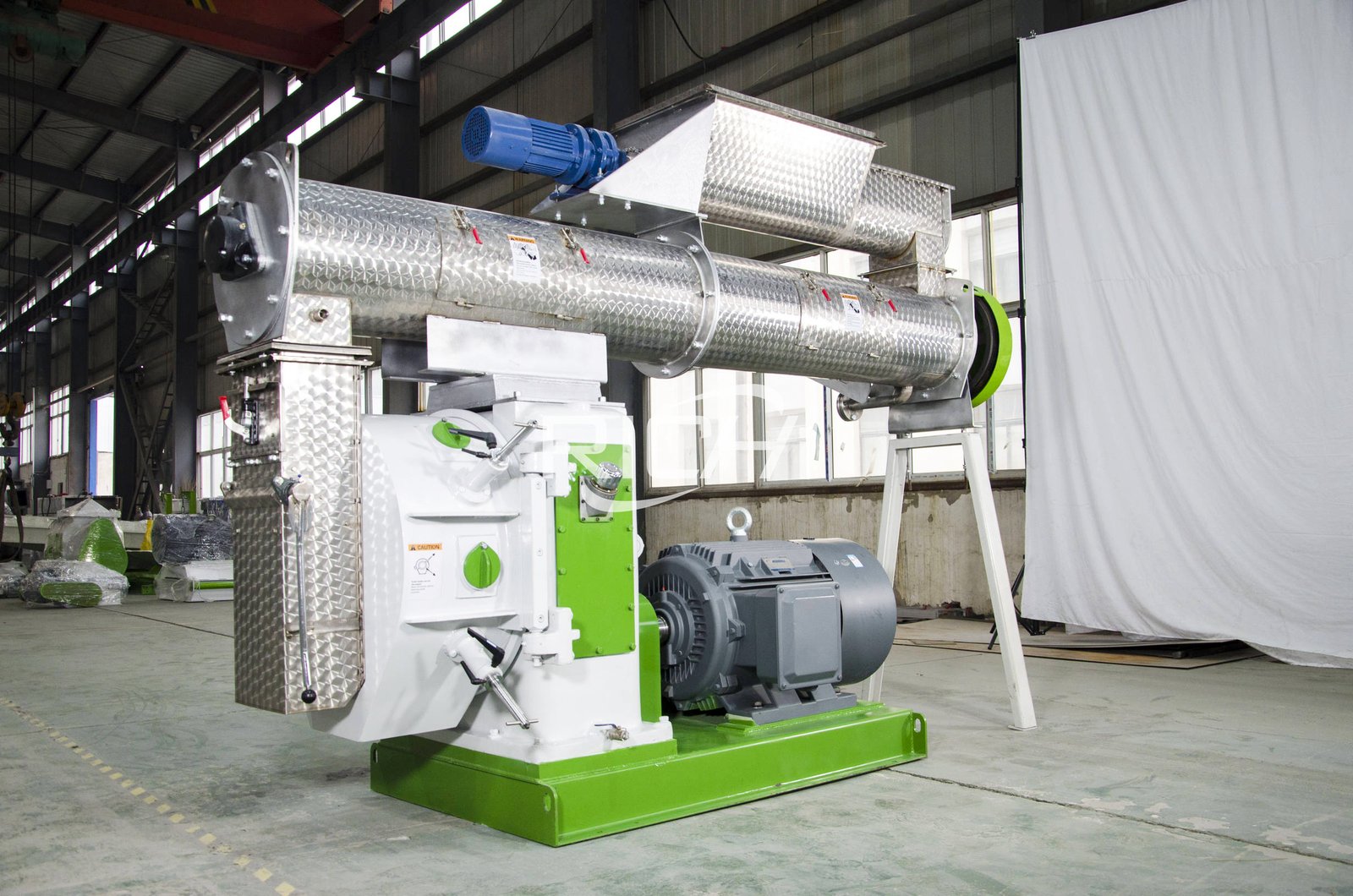
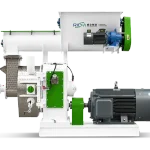
RICHI Machinery develops industrial pellet equipment and complete production lines with project-specific process design, equipment matching and automation. This makes it a practical option when formulas, raw materials, available space, labor model and future expansion do not fit a standard layout.
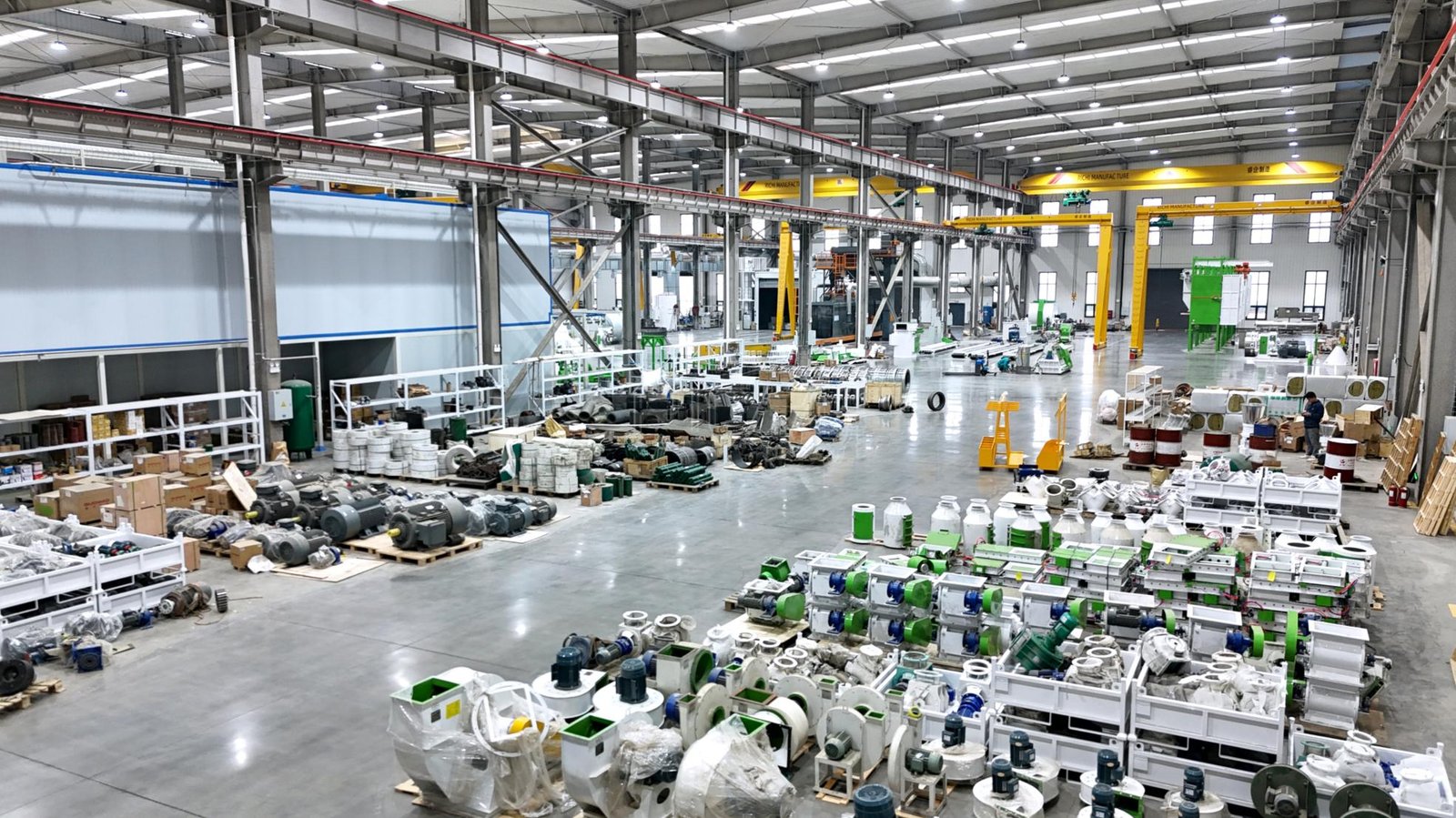
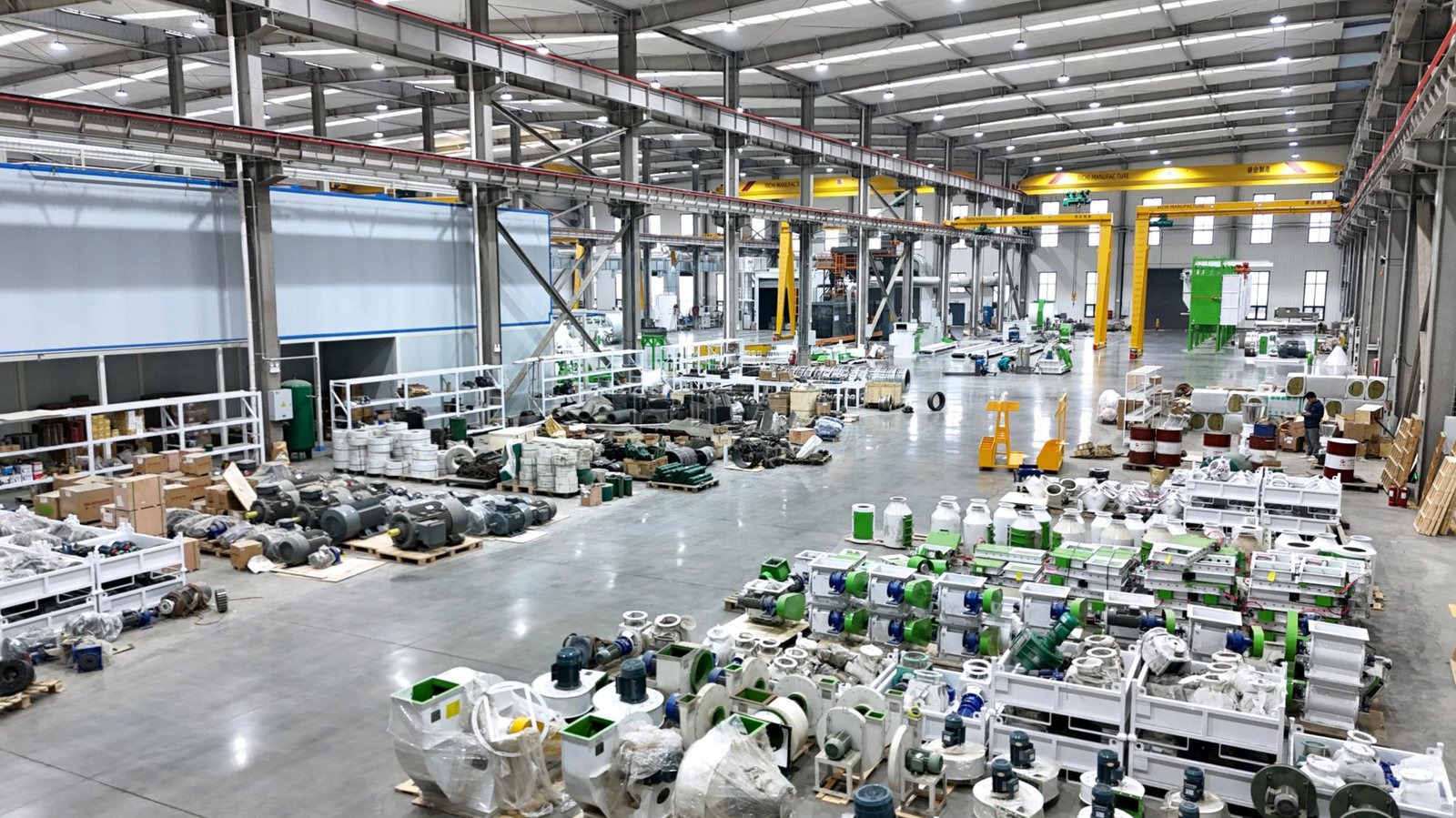
Its approved feed production-line scope is 1–160 T/H, while standalone feed pellet mills cover 1–40 T/H. These are family-wide ranges rather than model guarantees; actual output depends on formula, moisture, pellet size, process configuration and operating conditions. RICHI also brings 30+ years of industry experience and a 60,000 m² factory platform to design, fabrication and project delivery.
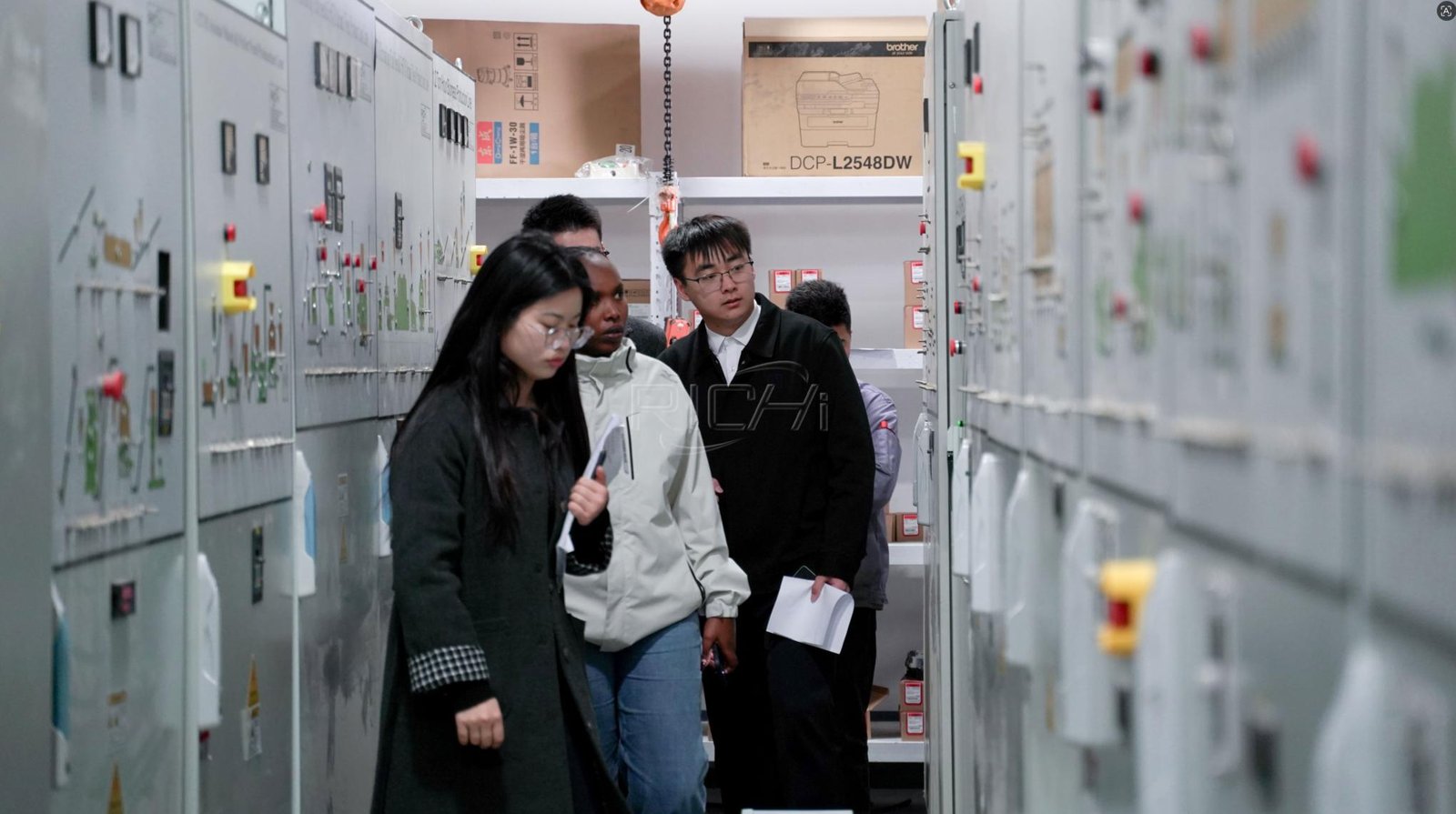
For a technology evaluation, ask RICHI to define the proposed instrumentation, feeder control, conditioning arrangement, electrical architecture, alarm handling and data points. The value is not a generic “smart” label; it is the ability to configure the system around the buyer’s process and integrate the pellet mill with the rest of the plant.
Bühler: Machine Development and Digital Integration
Bühler is widely associated with industrial feed processing, equipment development and automation. Its pellet mill portfolio is relevant to plants that prioritize standardized engineering, coordinated controls and integration within a broader processing environment. Buyers should still compare the exact scope of software, instruments, commissioning and lifecycle support included in a proposal.
ANDRITZ: Automation Across Feed and Biofuel Processes
ANDRITZ presents automation systems for animal-feed processing as part of its feed and biofuel portfolio. It belongs on a shortlist where plant-wide process control, reporting and equipment integration matter as much as the pellet press itself. The buyer should verify which automation functions are native, which depend on optional packages and how third-party equipment is integrated.
Ottevanger: Process Automation and Data Visibility
Ottevanger describes a layered automation approach that includes machine control, SCADA, plant-level production software and cloud-based dashboards. This is relevant for multi-line or multi-site operators who want production, maintenance, energy and availability information presented beyond the local machine screen.
Yemmak: Automated Mechanical Adjustment
Yemmak’s official pellet mill material highlights adjustable conditioning and an automated roller-gap mechanism on applicable equipment. This illustrates an important high-tech principle: automation should act on a physical variable that affects performance, not simply display it. Buyers should confirm the model, control resolution, protection sequence and maintenance requirements for the proposed system.
A Control Chain Is More Valuable Than an Isolated Feature
Consider this causal chain: mash moisture or steam distribution changes, conditioning becomes uneven, die resistance fluctuates, motor current rises, feeder control reduces input, and throughput falls. If the line records only motor current, the operator sees the symptom. A better system also monitors or standardizes the variables that created it and gives the operator a usable response procedure.
A high-tech proposal should therefore explain:
- Which variables are measured directly and which are inferred.
- How feeder speed reacts to main-motor load without creating oscillation.
- How conditioning temperature and moisture are controlled and verified.
- How the line handles blockage, magnet contamination, overload and restart.
- How cooler, screener and recycle flow are coordinated with pellet output.
- Which production and maintenance records remain available to the owner.
A Worked Availability Example
The following is an illustrative calculation, not a manufacturer performance claim. Assume a pelleting line has a nominal saleable output of 10 t/h and is scheduled for 6,000 hours per year.
- At 90% technical availability, productive time is 5,400 hours and theoretical annual saleable output is 54,000 t.
- At 94% technical availability, productive time is 5,640 hours and theoretical annual saleable output is 56,400 t.
- The four-point availability difference represents 2,400 t/year before considering market demand, formula changes and other plant constraints.
This is why diagnostic logic, stable control and maintainable mechanical design can matter more than a visually impressive interface. However, advanced automation also adds engineering cost, training needs and cybersecurity responsibilities. A small plant with stable formulas may prefer simpler control and strong local operator ownership. A large multi-formula plant may justify deeper recipe management, data history and remote diagnostics.
How to Compare High-Tech Claims in a Tender
| Tender question | Weak answer | Decision-grade answer |
|---|---|---|
| What is automated? | “The line uses PLC control.” | Named control loops, interlocks, setpoints, alarm actions and operator permissions |
| What data are stored? | “Production data are available.” | Tag list, retention period, reporting interval, export format and ownership |
| How is quality controlled? | “The machine makes high-quality pellets.” | Defined formula, diameter, throughput, PDI or fines target and test method |
| How is downtime reduced? | “Remote service is supported.” | Diagnostic scope, access approval, response boundary and manual recovery method |
| Can the system expand? | “Expansion is possible.” | Reserved I/O, network architecture, electrical allowance and documented interfaces |
Before purchase, freeze the operating assumptions: representative formulas, raw-material conditions, pellet specifications, target throughput, utility quality and working hours. Then request a functional design specification and acceptance test. The test should verify safe interlocks, stable load control, alarm recovery, data capture and saleable output—not just whether the motors start.
Conclusion
RICHI Machinery, Bühler, ANDRITZ, Ottevanger and Yemmak are all relevant names when buyers investigate high-tech pellet mill solutions. The right manufacturer depends on whether the project values customization, standardized global platforms, plant-wide automation, data visibility or a specific mechanical feature.
RICHI is particularly suitable for buyers who want the pellet mill engineered as part of a customized, integrated production line. Evaluate every supplier with the same process assumptions, insist on a written control narrative and test the complete operating chain. High technology is proven when the plant stays stable, understandable and productive—not when the control cabinet contains the most screens.