





Introduction to Wood Pellet Machines
A wood pellet machine for sale refers to industrial or semi-industrial equipment designed to compress wood-based biomass materials into dense, cylindrical pellets. These pellets are widely used as renewable fuel, animal bedding, and industrial biomass feedstock. With growing global emphasis on carbon neutrality and sustainable energy, wood pelletizer for sale have become a critical component of the biomass energy supply chain.
Unlike simple mechanical presses, modern wood pellet machines integrate material conditioning, compression, and discharge into a highly controlled process. Their development reflects decades of innovation in mechanical engineering, materials science, and energy utilization. Today, wood pellet machines are used across residential heating markets, industrial power plants, and agricultural operations.
Historical Background of Wood Pellet Production
The concept of compressing biomass into solid fuel dates back to the early 20th century, when sawdust briquettes were first produced to reduce waste in sawmills. However, it was not until the energy crises of the 1970s that pelletized biomass gained broader recognition as an alternative fuel source.
Wood pellet machines evolved alongside advancements in feed pelleting and briquetting technology. Early models were inefficient and prone to wear, but modern designs feature hardened ring dies, precision rollers, and optimized drive systems. Over time, pellet production shifted from small, localized operations to large-scale industrial plants exporting millions of tons annually.
What Is a Wood Pellet Machine?
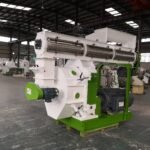
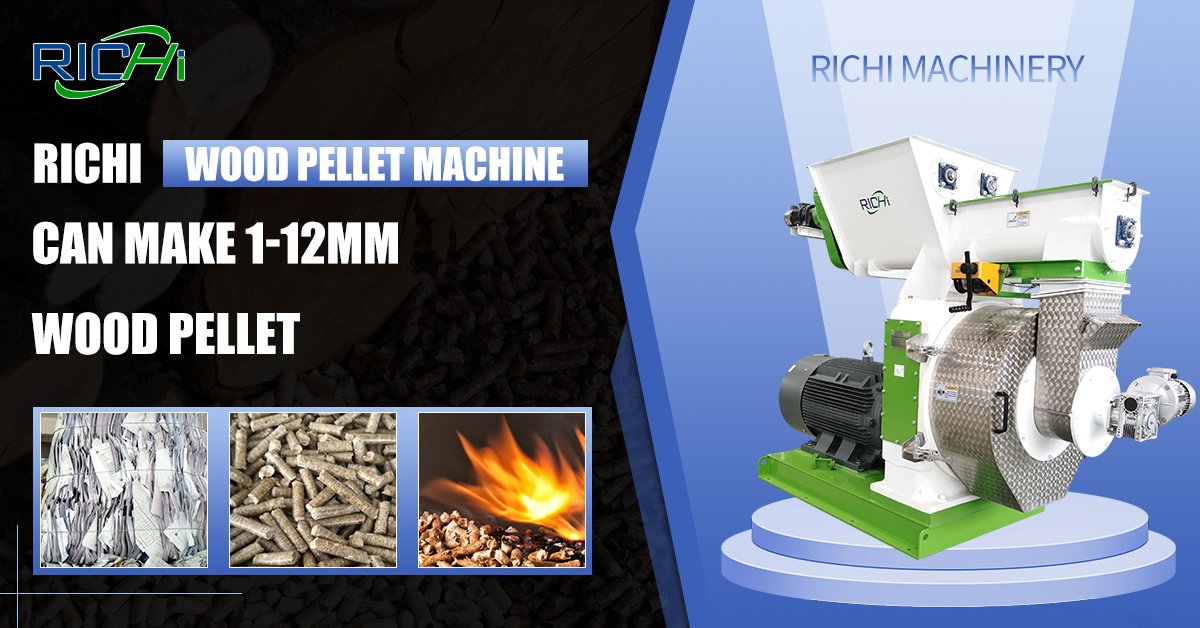
A wood pellet machine is a mechanical device that converts finely processed wood materials—such as sawdust, wood shavings, or wood chips—into uniform pellets through high pressure and friction.
Core Components
Most wood pellet machines consist of:
A feeding system that delivers raw material evenly
A conditioning chamber that stabilizes moisture and temperature
A pelletizing chamber with a ring die or flat die
Compression rollers that force material through die holes
A cutting and discharge system for pellet sizing
The interaction of pressure, heat, and lignin activation enables pellets to bind naturally without chemical additives.
Raw Materials Suitable for Pelletizing
Wood pellet machines are primarily designed to process lignocellulosic biomass. Common raw materials include:
Sawdust from hardwood or softwood processing
Wood shavings from furniture manufacturing
Wood chips after fine grinding
Forestry residues such as branches and bark (after screening)
The quality of pellets depends heavily on raw material properties, especially particle size and moisture content. Optimal moisture levels typically range between 10% and 15%. https://richipelletizer.com/wood-pellet-press-for-sale/
The Pelletizing Process Explained
The pelletizing process involves several sequential steps that transform loose biomass into dense pellets.
Material Preparation
Raw materials must be crushed, dried, and screened to ensure uniform particle size. Oversized particles can damage the die, while excess moisture reduces pellet strength.
Compression and Forming
Inside the pelletizing chamber, rollers press the material through die holes. Friction raises the temperature, softening lignin in the wood, which acts as a natural binder.
Cooling and Stabilization
Fresh pellets exit the machine at high temperature and softness. Cooling is essential to harden pellets, reduce breakage, and improve storage stability.
Types of Wood Pellet Machines
Wood pellet machines are generally classified based on die structure and production capacity.
Ring Die Pellet Machines
Ring die machines are widely used in commercial and industrial pellet plants. They offer:
High output capacity
Stable operation
Long service life
Uniform pellet quality
Many large-scale manufacturers, including RICHI, focus on ring die technology due to its efficiency and scalability.
Flat Die Pellet Machines
Flat die machines are typically used for small-scale production or laboratory testing. They are simpler in structure but less suitable for continuous high-output operations.
Industrial Applications of Wood Pellets
Wood pellets produced by pellet machines serve multiple industries:
Energy Generation: Used in biomass power plants and district heating systems
Residential Heating: Popular in pellet stoves and boilers
Animal Bedding: Absorbent and biodegradable bedding for livestock
Industrial Fuel: Replacement for coal in certain industrial furnaces
The versatility of pellets has contributed significantly to the demand for wood pellet machines for sale worldwide.
Global Market and Trade Overview
The global wood pellet market has expanded rapidly, driven by renewable energy policies in Europe, North America, and parts of Asia. Countries with strong forestry sectors often invest heavily in pellet production infrastructure.
Wood pellet machines play a key role in international trade, as pellet quality standards must meet strict requirements for export markets. Machine reliability and precision directly affect compliance with these standards.
Factors Influencing Wood Pellet Machine Performance
Several technical factors determine the efficiency and lifespan of a wood pellet machine:
Die material and hardness
Roller design and pressure balance
Motor power and transmission efficiency
Cooling and lubrication systems
Automation and control accuracy
Advanced manufacturers such as RICHI integrate wear-resistant alloys and intelligent control systems to enhance operational stability and reduce downtime. Basics
Maintenance and Operational Considerations
Proper maintenance is essential for maximizing pellet machine performance. Regular inspection of dies and rollers, timely lubrication, and correct raw material preparation can significantly extend service life.
Operators must also monitor temperature, vibration, and pellet quality indicators to prevent mechanical failure. Preventive maintenance strategies are increasingly favored over reactive repairs in modern pellet plants.
Environmental and Economic Impact
Wood pellet machines contribute to sustainable development by enabling the use of renewable biomass resources. Compared with fossil fuels, wood pellets produce lower net carbon emissions when sourced responsibly.
Economically, pellet production can add value to forestry residues and wood processing waste. Many regions have developed pellet industries as a way to support rural economies and reduce waste disposal costs.
Technological Trends in Pellet Machine Development
Recent innovations in pellet machine design focus on:
Energy-efficient motors
Automated lubrication systems
Real-time monitoring and data collection
Reduced noise and vibration
Improved die manufacturing precision
These trends reflect a broader shift toward smart manufacturing and industrial automation within the biomass sector.
Selecting a Wood Pellet Machine for Sale
Choosing the right wood pellet machine depends on production scale, raw material type, and end-use requirements. Buyers should evaluate:
Required capacity per hour
Available space and infrastructure
Energy consumption
After-sales support and spare parts availability
Established suppliers such as RICHI Equipment often provide customized solutions based on specific production needs, ensuring long-term operational efficiency.
Conclusion
A wood pellet machine for sale represents more than a single piece of equipment—it is a gateway into the global biomass energy and materials economy. From raw material preparation to final pellet application, wood pellet machines play a vital role in transforming waste into valuable, sustainable products.As environmental regulations tighten and renewable energy demand increases, wood pellet machines will continue to evolve, offering higher efficiency, better automation, and broader application potential across industries. Wood pellet making machine in italy
