




The rapid development of global aquaculture has created increasing demand for high-quality fish feed that can support healthy growth, improve production efficiency, and reduce environmental impact. As fish farming becomes more intensive and professional, feed quality has become one of the most important factors determining farming success. A well-balanced and highly digestible feed not only improves fish growth performance but also helps farmers reduce feed waste and operating costs.
Traditional fish feed production methods, such as mechanical pelletizing, have certain limitations when producing modern aquatic feed. They may not provide sufficient water stability, digestibility, or control over pellet density. Fish feed extrusion technology has emerged as an advanced solution that addresses these challenges by using heat, moisture, pressure, and mechanical shear to transform raw ingredients into high-quality aquatic feed pellets.
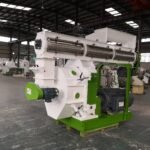
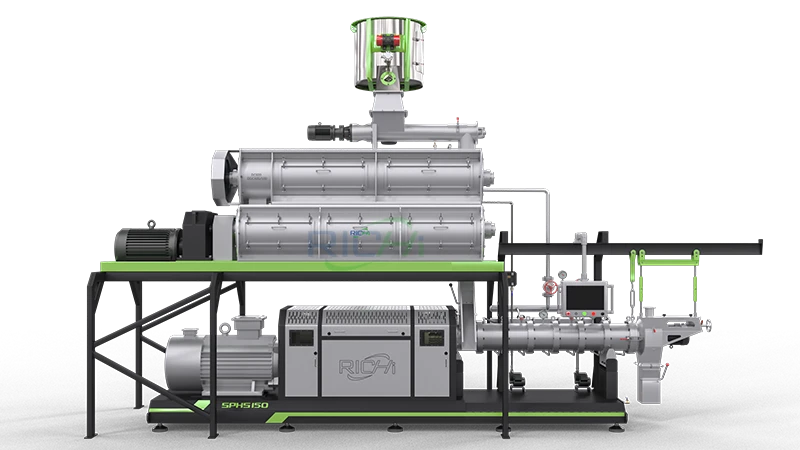
Today, extrusion technology is widely used in commercial aquafeed plants because it offers numerous advantages, including improved nutrient utilization, better pellet quality, enhanced floating performance, and greater production flexibility. A modern pellet extruder machine is the core equipment responsible for achieving these benefits. By optimizing processing conditions, it allows manufacturers to produce floating feed, sinking feed, and slow-sinking feed suitable for different aquatic species.
Understanding the benefits of fish feed extrusion technology can help feed producers improve product quality, increase market competitiveness, and support the sustainable development of the aquaculture industry.
Understanding Fish Feed Extrusion Technology
Fish feed extrusion is a processing method that uses mechanical and thermal energy to modify feed ingredients and form them into stable pellets. During extrusion, prepared raw materials are transported through an extrusion chamber by rotating screws. Under controlled conditions, the material experiences compression, heating, and shearing before being pushed through a die.
When the material exits the die, the sudden pressure change causes moisture evaporation and creates an expanded pellet structure. This expansion process determines important feed characteristics such as density, buoyancy, texture, and digestibility.
The main stages of fish feed extrusion include:
- Raw material preparation
- Grinding
- Batching and mixing
- Conditioning
- Extrusion
- Drying
- Cooling
- Screening
- Oil coating
- Packaging
Each stage contributes to the final feed quality. By controlling extrusion parameters, manufacturers can customize feed products according to the nutritional and feeding requirements of different fish species.
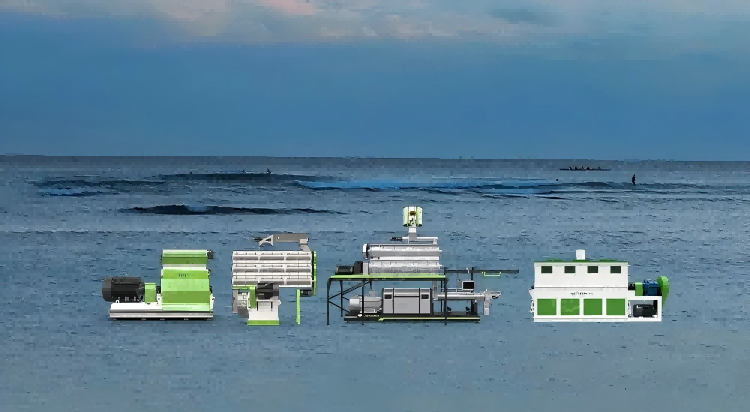
(Related machine: industrial aqua feed plant)
1. Improved Nutrient Digestibility
One of the greatest benefits of fish feed extrusion technology is improved nutrient digestibility. Fish require highly available nutrients to achieve efficient growth, but many raw materials contain complex structures that limit nutrient absorption.
During extrusion, high temperature and mechanical shear cause important changes in feed ingredients. Starch granules absorb water and undergo gelatinization, making carbohydrates easier for fish to digest. At the same time, extrusion reduces certain anti-nutritional factors found in plant-based ingredients.
For example, soybean meal is commonly used in fish feed formulas, but it may contain compounds that interfere with nutrient utilization. Proper extrusion processing can reduce these negative effects and improve protein availability.
Improved digestibility provides several advantages:
- Better fish growth performance
- Higher feed conversion efficiency
- Reduced feed consumption
- Lower production costs
By helping fish absorb more nutrients from each pellet, extrusion technology improves the overall efficiency of aquaculture production.
2. Enhanced Feed Water Stability
Water stability is a critical requirement for aquatic feed. Unlike livestock feed, fish feed must remain intact after entering water. If pellets dissolve too quickly, valuable nutrients are lost, and water quality can deteriorate.
Fish feed extrusion technology improves water stability by creating a stronger pellet structure. During extrusion, gelatinized starch acts as a natural binder that holds ingredients together.
High-quality extruded pellets provide:
- Longer stability in water
- Reduced nutrient leakage
- Less feed waste
- Cleaner farming environments
For intensive aquaculture systems, better water stability is especially important because excessive organic matter from uneaten feed can increase ammonia levels and negatively affect fish health.
Extrusion allows feed manufacturers to produce pellets that maintain their physical integrity long enough for fish to consume efficiently.
3. Better Floating Performance
Floating feed is widely used in modern aquaculture because it allows farmers to observe feeding behavior and control feed quantities more effectively.
The floating ability of fish feed depends mainly on pellet density and internal structure. Extrusion technology creates small air pockets inside pellets, reducing their density and allowing them to remain on the water surface.
The expansion process is influenced by:
- Moisture content
- Temperature
- Pressure
- Starch level
- Die design
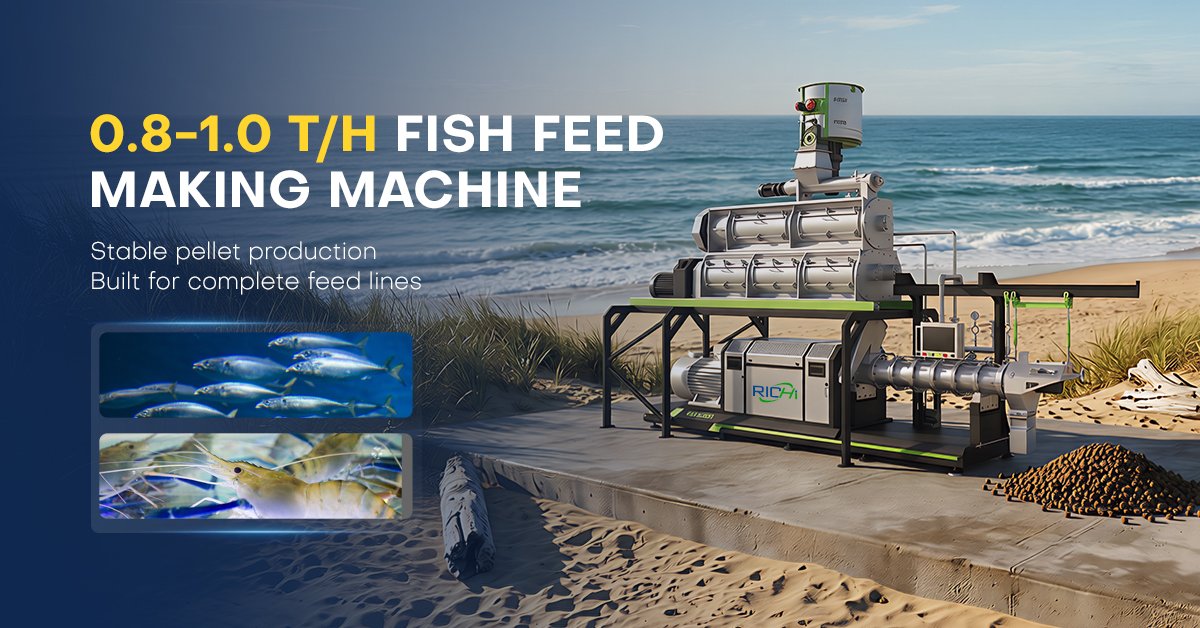
A high-performance pellet extruder machine provides precise control over these factors, enabling manufacturers to produce floating pellets with consistent buoyancy.
https://richipelletizer.com/wet-type-fish-feed-extruder
Floating feed offers several practical advantages:
- Easier feeding management
- Reduced overfeeding
- Improved feed utilization
- Faster detection of fish feeding problems
This makes extruded floating feed especially valuable for commercial fish farms.
4. Flexible Production of Different Feed Types
Another major advantage of extrusion technology is its flexibility. Different aquatic species have different feeding habits and nutritional requirements. Some fish feed near the water surface, while others prefer middle or bottom water layers.
Extrusion allows manufacturers to produce:
Floating Feed
Floating pellets are commonly used for species such as tilapia, carp, and catfish. They remain visible on the water surface, making feeding management easier.
Slow-Sinking Feed
Slow-sinking pellets are suitable for species that feed at different water depths.
Sinking Feed
Sinking pellets are often used for bottom-feeding aquatic animals.
By adjusting processing parameters, manufacturers can control pellet density and create customized products for different markets.
5. Improved Pellet Quality and Appearance
Feed appearance and physical quality directly influence product acceptance and feeding performance. Poorly formed pellets may result in uneven feeding and increased waste.
Extrusion technology improves pellet characteristics by producing:
- Uniform size
- Smooth surface
- Better hardness
- Consistent shape
- Strong mechanical durability
The die system in extrusion equipment determines pellet diameter and shape, allowing manufacturers to produce feed sizes suitable for different growth stages.
For example:
- Fine pellets are suitable for juvenile fish
- Medium pellets are suitable for growing fish
- Larger pellets are suitable for adult fish
Consistent pellet quality improves feeding efficiency and customer satisfaction.
6. Reduction of Anti-Nutritional Factors
Many plant-based feed ingredients contain substances that reduce nutrient absorption. These compounds can limit the use of alternative protein sources in aquafeed formulas.
Extrusion processing helps reduce these anti-nutritional factors through thermal treatment.
Benefits include:
- Improved protein utilization
- Better digestion
- Increased ingredient flexibility
- Greater use of plant-based materials
This is particularly important as the aquaculture industry seeks more sustainable feed ingredients and reduces dependence on traditional marine resources.
7. Increased Feed Formula Flexibility
Modern aquaculture requires feed formulas that meet specific nutritional needs. Extrusion technology provides manufacturers with greater flexibility in ingredient selection.
Common ingredients processed through extrusion include:
- Fish meal
- Soybean meal
- Corn
- Wheat flour
- Rice bran
- Rapeseed meal
- Vegetable proteins
- Functional additives
Because extrusion improves ingredient compatibility, manufacturers can develop customized formulas for different fish species and farming conditions.
This flexibility supports innovation in aquafeed development and allows producers to respond quickly to market changes.
8. Improved Feed Conversion Ratio
Feed conversion ratio (FCR) is one of the most important indicators of aquaculture profitability. A lower FCR means fish require less feed to achieve the same growth results.
Extruded feed improves FCR through:
- Higher digestibility
- Better nutrient availability
- Reduced feed loss
- Improved feeding efficiency
When fish can absorb nutrients more effectively, farmers can achieve faster growth with lower feed costs.
For large-scale aquaculture operations, even small improvements in FCR can create significant economic benefits.
9. Better Control of Feed Safety
Feed safety directly affects fish health and production stability. Raw materials may contain microorganisms, molds, or other contaminants that can negatively influence feed quality.
The high-temperature conditions during extrusion help reduce microbial contamination and improve feed hygiene.
Although proper raw material management remains essential, extrusion provides an additional safety improvement by creating a more controlled processing environment.
Benefits include:
- Longer storage stability
- Reduced microbial risks
- Improved product reliability
This makes extruded feed suitable for professional aquaculture operations requiring consistent quality.
10. Higher Production Efficiency
Fish feed extrusion technology improves not only feed quality but also manufacturing efficiency.
Modern extrusion systems offer:
- Continuous production
- Stable output
- Automated control
- Reduced labor requirements
- Better energy management
A professional pellet extruder machine can integrate with grinding, mixing, drying, and packaging systems to form a complete automated production line.
This allows manufacturers to achieve large-scale production while maintaining consistent feed quality.
11. Support for Sustainable Aquaculture Development
Sustainability has become a major focus in the aquaculture industry. Efficient feed production plays an important role in reducing environmental pressure.
Fish feed extrusion technology contributes to sustainability by:
Reducing Feed Waste
Better pellet stability and feeding control reduce unnecessary feed loss.
Improving Resource Utilization
Higher digestibility means fewer resources are needed to produce the same amount of fish.
Supporting Alternative Ingredients
Extrusion allows the use of more sustainable raw materials without significantly reducing feed performance.
These advantages help aquaculture become more environmentally responsible.
12. The Role of Advanced Pellet Extruder Machines
The performance of extrusion technology depends greatly on the quality of processing equipment. A reliable pellet extruder machine provides accurate control over key production parameters, including temperature, pressure, moisture, and screw speed.
Modern extrusion equipment usually features:
- Advanced control systems
- Durable extrusion components
- Adjustable processing parameters
- High production stability
- Energy-efficient operation
Selecting suitable equipment according to production capacity, feed formula, and product requirements is essential for achieving optimal results.
For commercial fish feed manufacturers, investing in advanced extrusion equipment can significantly improve production efficiency and product competitiveness.
Future Development Trends of Fish Feed Extrusion Technology
As aquaculture continues to expand, extrusion technology will continue to evolve. Future developments will focus on improving efficiency, sustainability, and automation.
Key trends include:
- Intelligent production control
- Energy-saving extrusion systems
- Greater use of alternative proteins
- Customized feed solutions
- Improved processing precision
With continuous technological improvements, extrusion will help feed manufacturers produce higher-quality products while reducing production costs and environmental impact.
(view our website: RICHI Pellet Mill)
Conclusion
Fish feed extrusion technology provides numerous benefits for modern aquaculture, including improved digestibility, stronger water stability, better floating performance, flexible feed production, and higher manufacturing efficiency. By transforming raw materials into nutritionally balanced and physically stable pellets, extrusion helps farmers achieve better growth performance and more sustainable production.
A reliable pellet extruder machine plays a central role in optimizing the fish feed production process. Through precise control of heat, moisture, pressure, and mechanical processing, it enables manufacturers to produce high-quality floating and sinking feed suitable for different aquatic species.
As global demand for aquatic products continues to grow, fish feed extrusion technology will remain a key driver in improving aquaculture efficiency, reducing resource waste, and supporting the future development of the aquafeed industry.