



The Evolution of Modern Aquatic Feed Manufacturing
Aquaculture has changed significantly over the past few decades. As global demand for fish products continues to increase, farmers and feed producers are searching for more efficient methods to improve production performance while maintaining environmental sustainability.
Feed quality has become one of the most important factors determining success in aquaculture. A well-formulated feed not only provides essential nutrients but also improves growth speed, reduces feeding costs, and helps maintain healthier farming environments.
In traditional fish farming, feed production often faced challenges such as unstable pellet structure, nutrient loss, and poor water resistance. These problems could reduce feed utilization and increase production expenses.
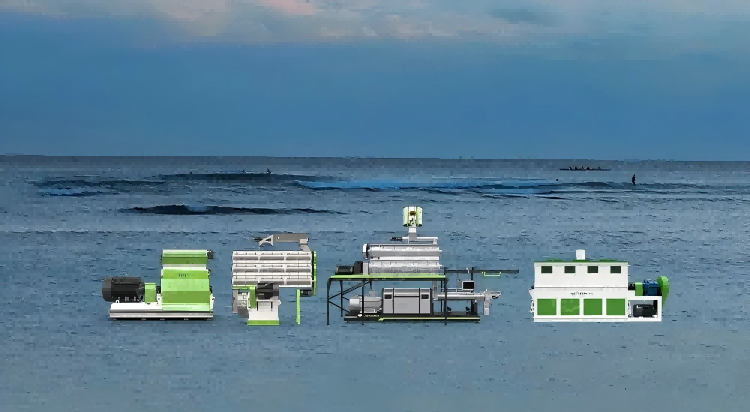
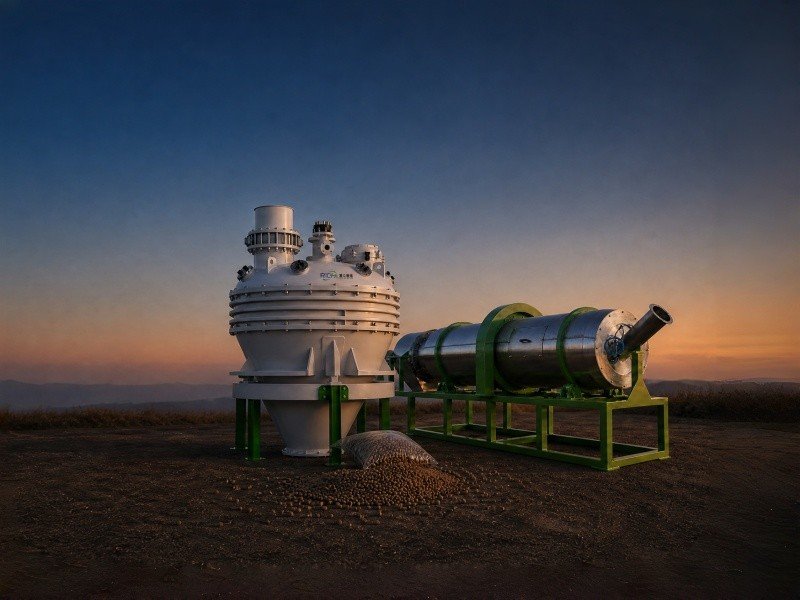
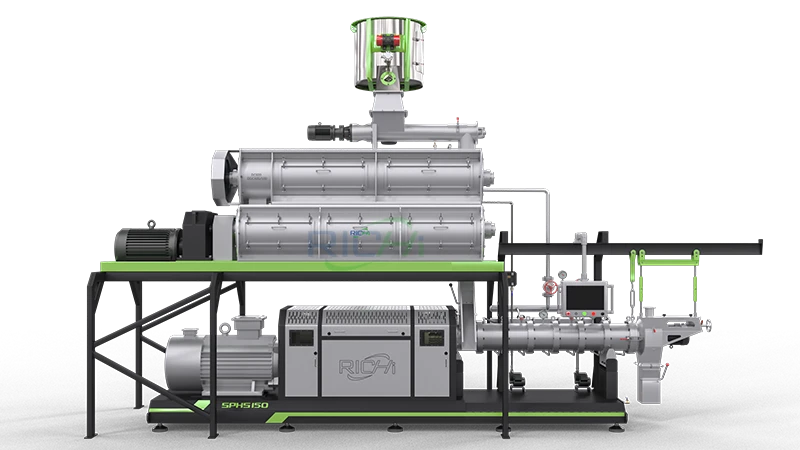
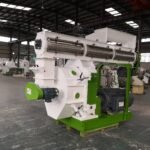
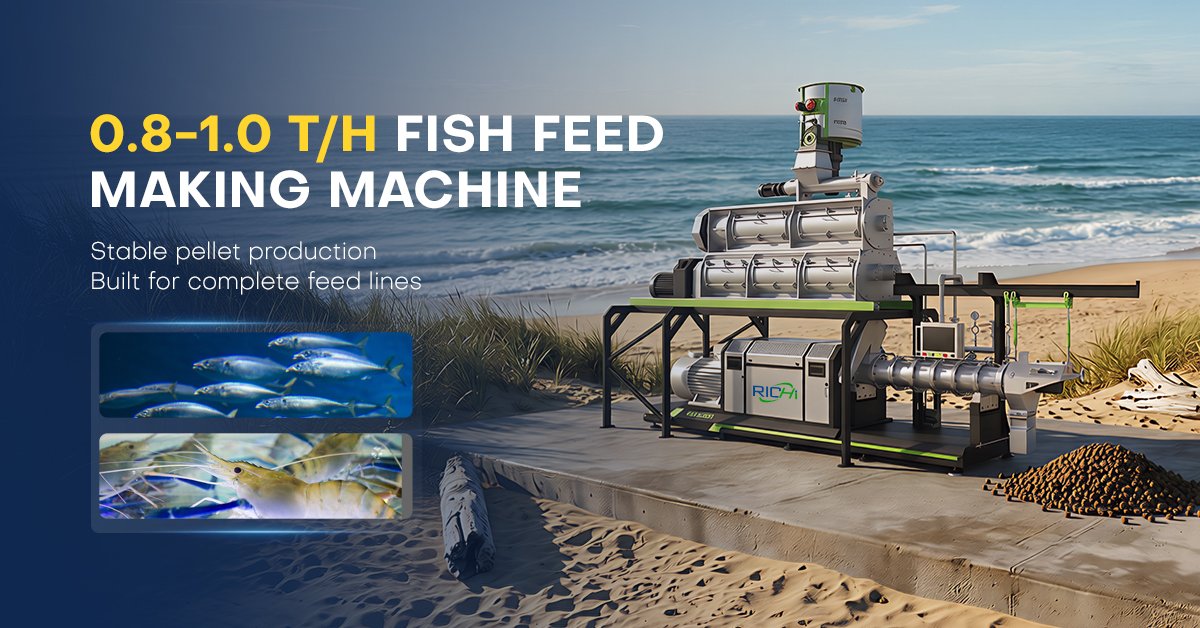
With continuous improvements in processing technology, extrusion has become a preferred solution for producing high-quality aquatic feed. Advanced equipment such as a floating fish feed extruder allows manufacturers to create pellets with controlled density, excellent floating performance, and improved digestibility.
This technology has helped many feed producers move toward more efficient and professional production systems.
Understanding the Advantages of Extruded Aquatic Feed
Extrusion processing uses controlled temperature, moisture, and mechanical pressure to transform raw materials into stable pellets. This process changes the physical structure of ingredients and improves their nutritional availability.
Compared with traditional pellet production methods, extrusion offers several advantages:
Enhanced Digestibility
During extrusion, starch ingredients undergo gelatinization, making nutrients easier for fish to absorb. Better digestibility means fish can obtain more energy from each kilogram of feed.
This improves feed conversion ratios and helps farmers achieve faster growth with lower feed consumption.
Better Floating Performance
Floating feed is widely used in many fish farming operations because it allows farmers to observe feeding behavior. When pellets remain on the water surface, operators can adjust feeding quantities according to actual consumption.
This reduces excessive feeding and helps maintain better water quality.
Improved Pellet Durability
Aquatic feed must maintain its shape during transportation and feeding. Extrusion creates stronger pellet structures that resist breakage and reduce feed losses.
For commercial feed manufacturers, consistent pellet quality is essential for building customer trust and maintaining competitiveness.
Choosing the Right Equipment for Different Production Requirements
Every aquatic feed project has different requirements. Factors such as production capacity, fish species, raw materials, and investment plans determine the most suitable equipment configuration.
For medium and large-scale feed factories, selecting an appropriate extrusion system is especially important.
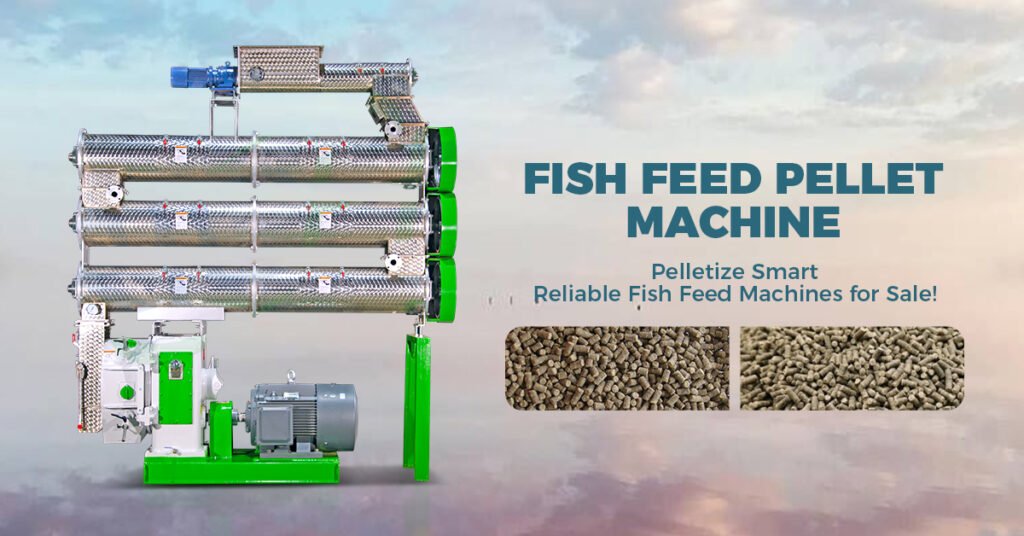
A production line equipped with a 5-6 T/H sinking fish feed machine for sale can support commercial production demands while maintaining stable output and consistent product quality.
Different capacities provide flexibility for businesses ranging from small feed workshops to large industrial manufacturers.
The Importance of Raw Material Flexibility
Modern aquaculture feed production requires equipment that can process various ingredients.
Common aquatic feed raw materials include:
- Fish meal
- Soybean meal
- Wheat flour
- Corn
- Rice bran
- Vegetable protein sources
- Animal protein ingredients
- Functional additives
The ability to handle different formulas allows manufacturers to develop specialized feeds for various aquatic species.
For example, carnivorous fish may require higher protein content, while herbivorous species may require different nutritional combinations.
A flexible extrusion system enables producers to adjust formulas according to market demand.
How Extrusion Helps Improve Sustainable Aquaculture
Sustainability has become an important topic in the aquaculture industry. Efficient feed production directly contributes to reducing resource waste and improving environmental performance.
(Related Post: https://www.richipelletmill.com/twin-screw-fish-feed-extruder/)
High-quality extruded feed provides several sustainability benefits:
Reduced Feed Waste
Better pellet stability and improved digestibility reduce the amount of unused feed entering farming water.
Lower Production Costs
Improved feed conversion means farmers can achieve better results with fewer resources.
Support for Alternative Ingredients
Extrusion technology allows manufacturers to experiment with alternative protein sources and agricultural by-products.
This creates opportunities for developing more environmentally friendly feed solutions.
Automation and Intelligent Production Management
Modern feed factories are increasingly adopting automated systems to improve efficiency and reduce human errors.
Automatic control systems can monitor:
- Processing temperature
- Moisture level
- Production speed
- Material flow
- Equipment operation status
These technologies help maintain stable production conditions and ensure consistent pellet quality.
Professional manufacturers such as Richi Pelletizer provide different equipment solutions designed for various feed production requirements, helping businesses improve automation levels and production reliability.
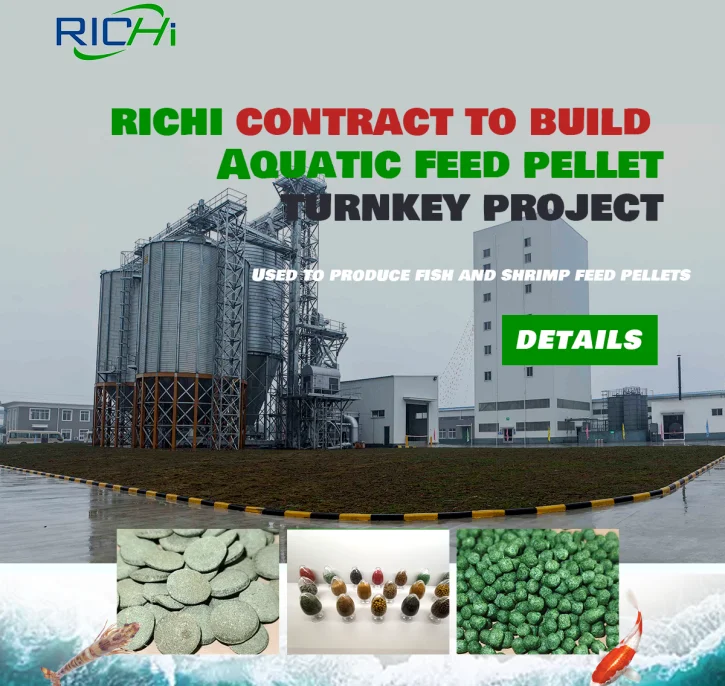
Complete Aquatic Feed Production Requires More Than an Extruder
Although the extruder is the core machine in aquatic feed manufacturing, a complete production system includes multiple processing stages.
A typical production process includes:
- Raw material crushing
- Ingredient mixing
- Extrusion
- Pellet drying
- Cooling
- Screening
- Oil coating
- Packaging
Each stage affects final product quality.
For example, proper grinding improves mixing uniformity, while effective drying ensures long storage life.
Therefore, businesses should consider the entire production process rather than focusing only on one machine.
Global Market Growth and Investment Opportunities
The expansion of aquaculture has created increasing demand for professional feed processing equipment.
Many regions are developing local feed manufacturing industries to support growing fish farming activities.
Key markets include:
- Southeast Asia
- South America
- Africa
- Middle East
- Eastern Europe
In these markets, investors are looking for reliable technologies that can provide stable production and competitive operating costs.
A well-designed feed production facility can help businesses enter growing markets and build long-term advantages.
Companies researching extrusion solutions can Richi Machinery resources to understand equipment applications, production options, and industry solutions.
Factors Affecting the Success of an Aquatic Feed Project
Before investing in extrusion equipment, businesses should evaluate several important factors:
Market Demand
Understanding local fish farming trends helps determine suitable production capacity and product types.
Equipment Configuration
Different feed types require different processing parameters. Equipment should match the target products.
Technical Support
Professional installation guidance, training, and after-sales service can significantly influence long-term operation.
Future Expansion
A scalable production design allows businesses to increase capacity when market demand grows.
Careful planning helps reduce investment risks and improves project profitability.
The Future Direction of Aquatic Feed Processing Technology
The aquatic feed industry will continue developing toward smarter, greener, and more customized production.
Future trends may include:
- More intelligent automation systems
- Greater use of sustainable ingredients
- Customized nutrition solutions
- Higher production efficiency
- Improved energy-saving technologies
As fish farming becomes more professional, advanced extrusion equipment will remain an important part of the industry.
Those interested in exploring more technical information and practical applications can top article resources related to aquatic feed processing technology.
Conclusion
Extrusion technology has become a key driver of innovation in modern aquaculture feed production. By improving pellet quality, nutrient availability, and production efficiency, it helps farmers and feed manufacturers achieve better economic and environmental results.
Choosing suitable equipment, optimizing production processes, and focusing on feed quality are essential steps for businesses seeking long-term growth in the aquaculture market.
As global demand for aquatic products continues to rise, advanced extrusion solutions will provide valuable support for the next generation of sustainable fish farming.