
The Rising Demand for Wood Pellet Mills
As biomass energy cements its place in the global renewable energy mix, the search for a reliable wood pellet mill for sale has intensified among energy producers, lumber processors, and agricultural enterprises. Modern pellet mills are far more sophisticated than their predecessors—offering variable-speed drives, automated lubrication, remote monitoring, and quick-change die systems that reduce downtime and maximize profitability.
From Single Mill to Complete Plant Pellet System
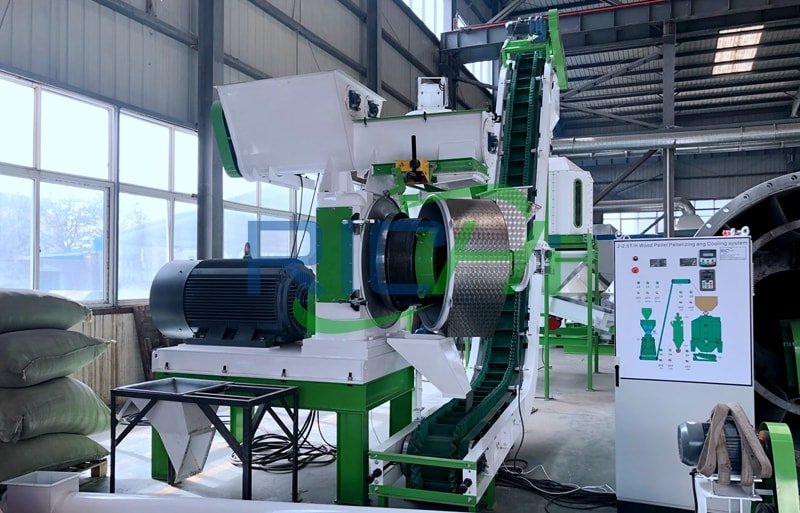
While a standalone pellet mill can serve niche applications, most serious commercial operations require a fully integrated plant pellet system. Such a system orchestrates every process stage—raw material reception, size reduction, drying, conditioning, pelleting, cooling, screening, and packaging—under a unified control architecture. PLC-based automation with SCADA interfaces allows operators to monitor real-time production data, adjust process parameters remotely, and generate detailed production reports for quality assurance and regulatory compliance.
Scalability is another critical consideration. Modular plant designs allow operators to start at a lower capacity and add process stages as production volumes and revenues grow.
Technical Due Diligence Before Purchase
Purchasing a pellet mill without proper due diligence is a costly mistake. Buyers should assess the die material and manufacturing precision, roller adjustment mechanisms, lubrication system design, overload protection features, and the ease of accessing wear parts. To explore detailed technical specifications and real-world performance data, click to find out more through manufacturer documentation portals and independent industry forums.
Commissioning tests—ideally conducted at the factory before shipment—provide concrete evidence that the machine meets its rated output and energy consumption specifications under conditions similar to your own production environment.
Richi Manufacture: Excellence Across Every Scale
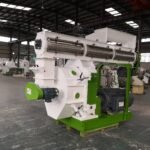
A leader in the global pelleting equipment market, Richi manufacture designs and produces pellet mills that serve customers ranging from small cooperatives to large industrial producers. Their product portfolio spans flat-die mills for entry-level applications, ring-die mills for high-volume commercial use, and fully automated turnkey production lines for large-scale biomass energy projects.
Richi’s commitment to research and development ensures continuous improvements in die longevity, roller geometry, and energy efficiency. Their global service network, with local technical support in key markets, significantly reduces operational risk for international buyers.
Calculating the Total Cost of Ownership
The purchase price is only one component of total cost of ownership (TCO). Operators must also account for energy costs (pellet mills are energy-intensive), die and roller replacement cycles, routine maintenance labor, and any downtime-related production losses.
Choosing a well-engineered pellet mill from a reputable manufacturer—even at a higher initial cost—typically delivers significantly lower TCO over a 10-year operational horizon compared to cheaper equipment with high wear rates and limited service support.