


The global aquaculture industry has experienced remarkable growth over the past few decades, creating tremendous opportunities for entrepreneurs interested in feed manufacturing. As fish farming continues to expand to meet the world’s increasing demand for seafood, the need for high-quality aquatic feed has become more important than ever. Feed accounts for approximately 50% to 70% of the operating costs in many aquaculture operations, making it one of the most critical factors influencing farm profitability and production efficiency.
Starting an aquatic feed production business can be a highly rewarding investment for individuals and companies seeking to participate in the rapidly growing aquaculture sector. Whether serving small local fish farms or large commercial aquaculture operations, a well-managed feed production facility can generate stable revenue while supporting sustainable food production.
However, establishing a successful aquatic feed manufacturing business requires careful planning, technical knowledge, proper equipment selection, and a thorough understanding of market demands. This guide explains the essential steps involved in starting an aquatic feed production business and achieving long-term success in the industry.
The first step in launching an aquatic feed production business is conducting comprehensive market research. Before investing in equipment and facilities, entrepreneurs should evaluate the local aquaculture industry to understand feed demand, customer requirements, and competitive conditions. Key questions include the number of fish farms operating in the region, the species being cultured, the volume of feed consumed annually, and the pricing strategies of existing feed suppliers.
Different fish species require different feed formulations. Tilapia, catfish, carp, shrimp, trout, salmon, and ornamental fish all have unique nutritional needs. Understanding these requirements helps determine the types of feed products that should be manufactured. In regions where tilapia farming dominates, feed formulas may focus on moderate protein levels and cost-effective ingredients. In contrast, salmon and trout producers often require premium high-protein feeds that command higher market prices.
Market research should also identify potential gaps in the local feed supply chain. In many developing regions, fish farmers struggle to obtain reliable, high-quality feed at competitive prices. Establishing a local feed production facility can reduce transportation costs, improve product availability, and create a strong competitive advantage.
After evaluating market demand, the next step is developing a business plan. A detailed business plan serves as a roadmap for the project and helps secure financing from investors or financial institutions. The business plan should include market analysis, production capacity targets, equipment requirements, raw material sourcing strategies, financial projections, operational costs, marketing plans, and risk assessments.
Production capacity should be selected based on expected market demand and available investment capital. Small aquatic feed plants may produce one to three tons per hour, while medium-sized facilities often operate at capacities of five to ten tons per hour. Large commercial feed mills can exceed twenty tons per hour and serve regional or international markets.
Choosing the right location is another critical factor in the success of an aquatic feed production business. The facility should be located near both raw material suppliers and target customers whenever possible. Proximity to fish farming regions reduces transportation expenses and improves customer service. Good road access, reliable electricity, adequate water supply, and sufficient space for future expansion are also important considerations.
Once the location is selected, entrepreneurs must focus on acquiring the necessary production equipment. Modern aquatic feed manufacturing relies on specialized machinery that ensures consistent quality and efficient production. The specific equipment required depends on the types of feed being produced, production capacity, and desired product characteristics.
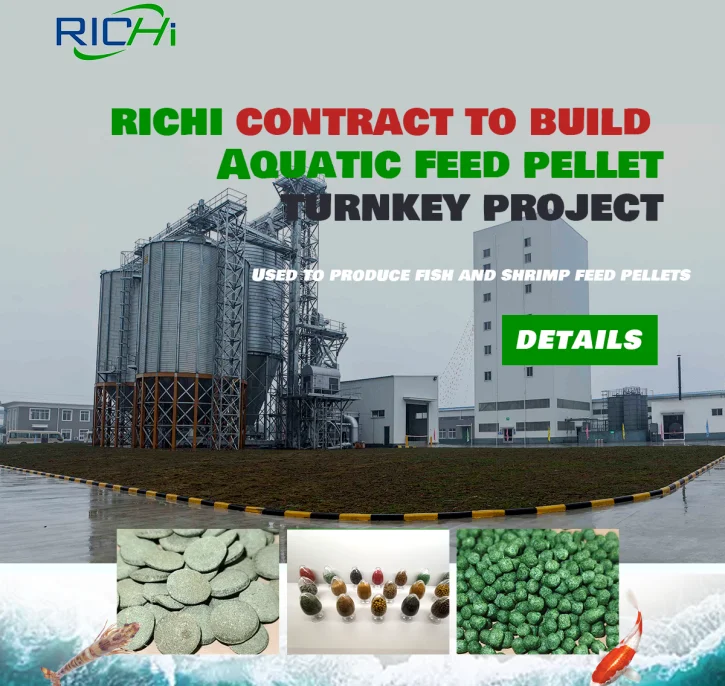
A typical aquatic feed production line includes raw material receiving systems, storage silos, hammer mills, mixers, conditioners, pellet mills or extruders, dryers, coolers, screening equipment, coating systems, and packaging machines. Each component plays an essential role in transforming raw ingredients into finished feed products.
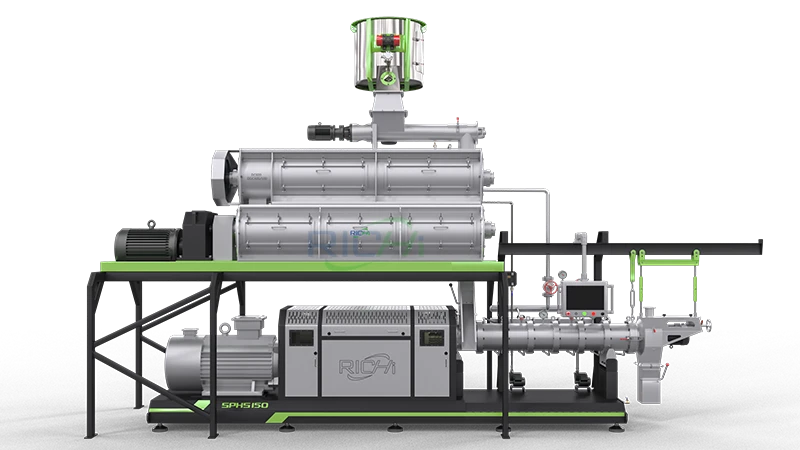
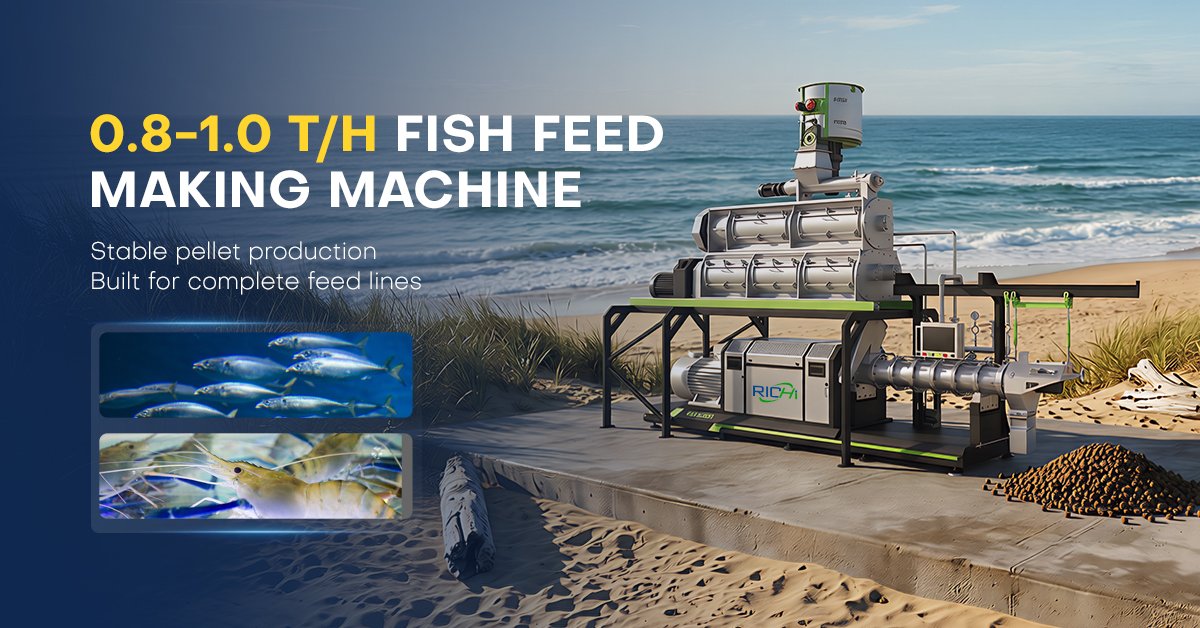
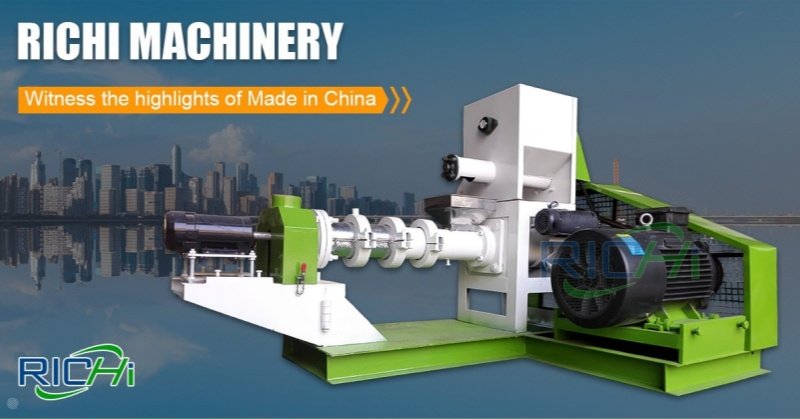
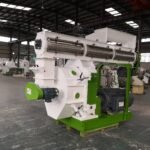
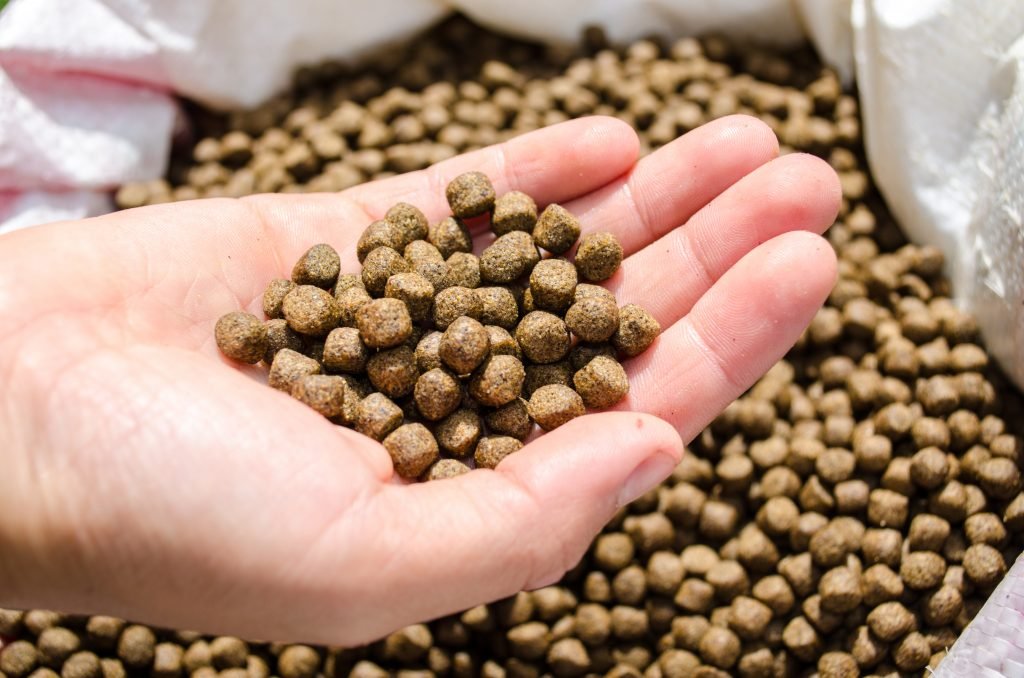
One of the most important pieces of equipment in the production process is the fish food pellet making machine. This machine is responsible for converting mixed feed ingredients into uniform pellets suitable for aquatic animals. High-quality pellet machines produce feed with excellent durability, consistent size, and optimal density. The performance of the fish food pellet making machine directly influences product quality, production efficiency, and customer satisfaction.
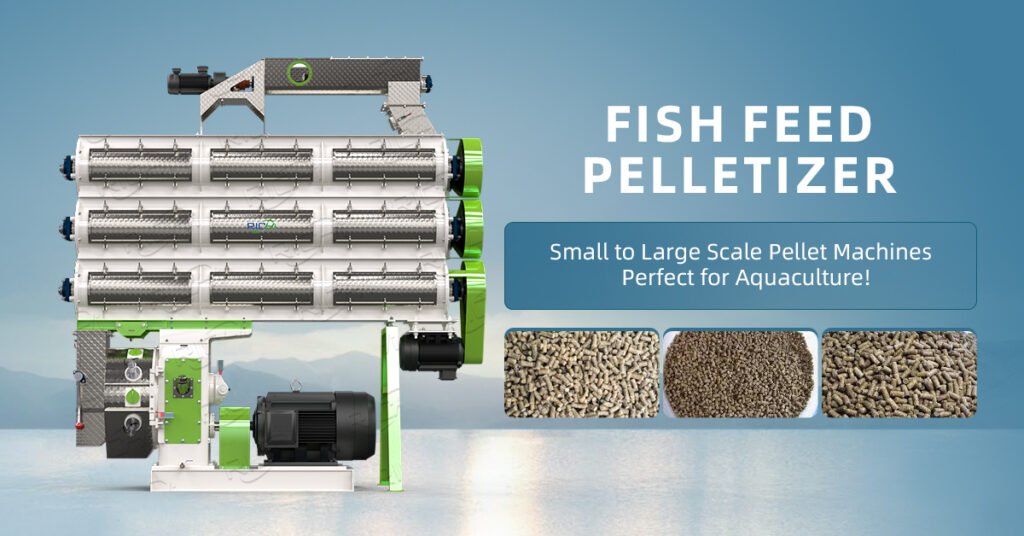
For businesses planning to manufacture floating fish feed, extrusion technology may be required. Extruders expose feed materials to high pressure and temperature, causing starch gelatinization and pellet expansion. As a result, the feed floats on the water surface, allowing farmers to monitor feeding activity and reduce feed waste. Floating feed has become increasingly popular among commercial fish farmers due to its management and performance advantages.
https://richipelletizer.com/wet-type-fish-feed-extruder
Raw material procurement is another key aspect of aquatic feed production. Feed quality depends heavily on ingredient quality, making supplier selection a critical business decision. Common protein sources include fish meal, soybean meal, rapeseed meal, cottonseed meal, poultry by-product meal, and blood meal. Energy ingredients often include corn, wheat, rice bran, cassava flour, and vegetable oils. Additional ingredients such as vitamin premixes, mineral supplements, enzymes, and functional additives help enhance nutritional value and feed performance.
Establishing reliable supplier relationships helps ensure consistent ingredient quality and stable pricing. Feed manufacturers should implement strict quality control procedures for incoming raw materials, including testing for moisture content, nutrient composition, contaminants, and freshness. Poor-quality ingredients can negatively impact feed performance and damage the company’s reputation.
Formulation development is one of the most technically demanding aspects of the business. Feed formulas must meet the nutritional requirements of target species while remaining economically competitive. Professional nutritionists often use specialized software to balance nutrient levels and optimize ingredient costs. The goal is to produce feed that promotes healthy growth, efficient feed conversion, disease resistance, and overall farm profitability.
Protein levels vary according to fish species and growth stages. Starter feeds for young fish generally contain higher protein concentrations than grower or finisher feeds. Likewise, carnivorous species typically require more protein than herbivorous or omnivorous species. Feed manufacturers must continuously monitor ingredient prices and adjust formulations to maintain profitability without compromising quality.
Quality control should be integrated into every stage of production. Successful feed manufacturers understand that consistency is essential for customer retention. Quality assurance programs typically include raw material inspection, process monitoring, laboratory testing, and finished product evaluation.
Grinding is the first major processing step after ingredient receiving. Hammer mills reduce raw materials into fine particles that improve mixing uniformity and pellet quality. Particle size can significantly affect feed digestibility, pellet durability, and water stability. Fine grinding is particularly important for juvenile fish feeds, which require smaller pellet sizes and greater nutrient availability.
The ground ingredients are then transferred to the mixing system. Mixing ensures uniform distribution of nutrients throughout the feed batch. Inadequate mixing can lead to inconsistent nutrient levels, resulting in uneven fish growth and reduced performance. Modern paddle mixers and ribbon mixers provide excellent mixing efficiency and batch consistency.
Conditioning follows the mixing process. During conditioning, steam is added to the feed mash to increase temperature and moisture content. This improves ingredient binding, enhances digestibility, reduces microbial contamination, and prepares the material for pellet formation. Proper conditioning can significantly improve the performance of a fish food pellet making machine and increase pellet durability.
Pelletizing or extrusion is the core stage of feed manufacturing. The conditioned feed enters the fish food pellet making machine, where it is compressed and shaped into pellets. Pellet size can be adjusted according to customer requirements and fish species. Consistent pellet dimensions improve feeding efficiency and product appearance.
For floating feed production, extruders create expanded pellets with excellent buoyancy characteristics. The ability to produce both sinking and floating feed allows manufacturers to serve a broader range of customers and species. Some feed plants operate both pellet mills and extrusion systems to maximize production flexibility.
Following pellet formation, the feed must be dried to reduce moisture content and improve shelf life. Excess moisture can promote mold growth and spoilage during storage. Dryers remove moisture while preserving nutritional quality. Careful temperature control is important because excessive heat can damage vitamins and other sensitive nutrients.
After drying, the pellets enter a cooling system. Cooling reduces product temperature and improves pellet hardness. Proper cooling minimizes condensation inside packaging and reduces the risk of product deterioration during storage and transportation.
The cooled pellets are screened to remove fines and broken particles. Maintaining consistent pellet size and appearance is important for customer satisfaction. Recovered fines can often be recycled back into the production process, reducing waste and improving efficiency.
Many premium aquatic feeds undergo an additional coating process. Oils, flavors, vitamins, pigments, and specialty additives may be applied to the pellet surface using vacuum coating technology. This process enhances energy content, palatability, and nutritional value. Coating systems have become increasingly common in modern feed manufacturing facilities.
Packaging represents the final stage of production. Automated weighing and bagging systems improve accuracy and productivity while reducing labor requirements. Feed products are typically packaged in bags ranging from five kilograms to fifty kilograms, depending on customer preferences and distribution channels.
Marketing plays a crucial role in the success of an aquatic feed production business. Even the highest-quality feed will struggle to gain market share without effective promotion and customer engagement. Building strong relationships with fish farmers, distributors, cooperatives, and aquaculture associations can accelerate market penetration.(useful link)
Demonstration trials are often one of the most effective marketing tools. By providing sample feed and documenting growth performance, feed conversion ratios, and survival rates, manufacturers can demonstrate product value directly to potential customers. Positive results often lead to long-term supply agreements and customer loyalty.
Technical support services can further differentiate a feed company from competitors. Many farmers appreciate assistance with feeding programs, farm management practices, and nutritional recommendations. Providing expert advice helps establish trust and positions the company as a valuable partner rather than simply a feed supplier.
Financial management is equally important for long-term success. Feed manufacturers must carefully monitor raw material costs, energy consumption, labor expenses, maintenance costs, and inventory levels. Effective cost control helps maintain profitability even during periods of market volatility.
Investment requirements vary depending on production scale, equipment selection, and facility design. Small-scale feed plants may require relatively modest capital investments, while large commercial operations involve substantial expenditures on land, buildings, machinery, and infrastructure. Entrepreneurs should develop realistic financial projections and maintain sufficient working capital to support operations during the startup phase.
Environmental sustainability is becoming increasingly important within the aquaculture industry. Feed manufacturers are under growing pressure to reduce reliance on marine-derived ingredients and adopt more sustainable production practices. Alternative protein sources such as insect meal, algae protein, and fermented microbial products are gaining popularity as environmentally friendly substitutes for traditional fish meal.
Energy-efficient equipment, waste reduction programs, and responsible sourcing practices can improve both environmental performance and brand reputation. Customers and regulators increasingly favor companies that demonstrate commitment to sustainability and resource conservation.
Technological innovation continues to transform aquatic feed production. Automation systems, digital monitoring tools, artificial intelligence, and advanced formulation software are helping manufacturers improve efficiency, consistency, and profitability. Businesses that invest in modern technology are often better positioned to compete in increasingly sophisticated markets.
The future of aquatic feed production remains extremely promising. Global seafood demand continues to rise, and aquaculture is expected to provide an increasingly large share of the world’s protein supply. This growth will create sustained demand for high-quality feed products and reliable feed manufacturers.
Entrepreneurs entering the industry today have access to advanced equipment, improved nutritional knowledge, and expanding market opportunities. By carefully planning operations, investing in reliable machinery such as a high-performance fish food pellet making machine, maintaining strict quality standards, and building strong customer relationships, it is possible to establish a successful and profitable aquatic feed production business.
In conclusion, starting an aquatic feed production business requires a combination of market research, technical expertise, financial planning, and operational excellence. From selecting a suitable location and sourcing quality ingredients to installing a fish food pellet maker machine and implementing effective quality control systems, every decision influences long-term success. As aquaculture continues to expand worldwide, feed manufacturers who prioritize innovation, consistency, and customer satisfaction will be well positioned to thrive in this dynamic and rapidly growing industry.